
Introduction
Imagine biting into your favourite food and suddenly feeling a crack in your tooth. Or perhaps your dentist tells you that a simple filling is no longer enough to protect your tooth. In many of these situations, a Dental Crown becomes one of the best treatment options.
Although many people think a crown is only used to improve appearance, its main purpose is to restore strength, protect weakened teeth, and help you keep your natural tooth for as long as possible. Understanding how crowns work can help you make informed decisions about your oral health.
What Is a Dental Crown?
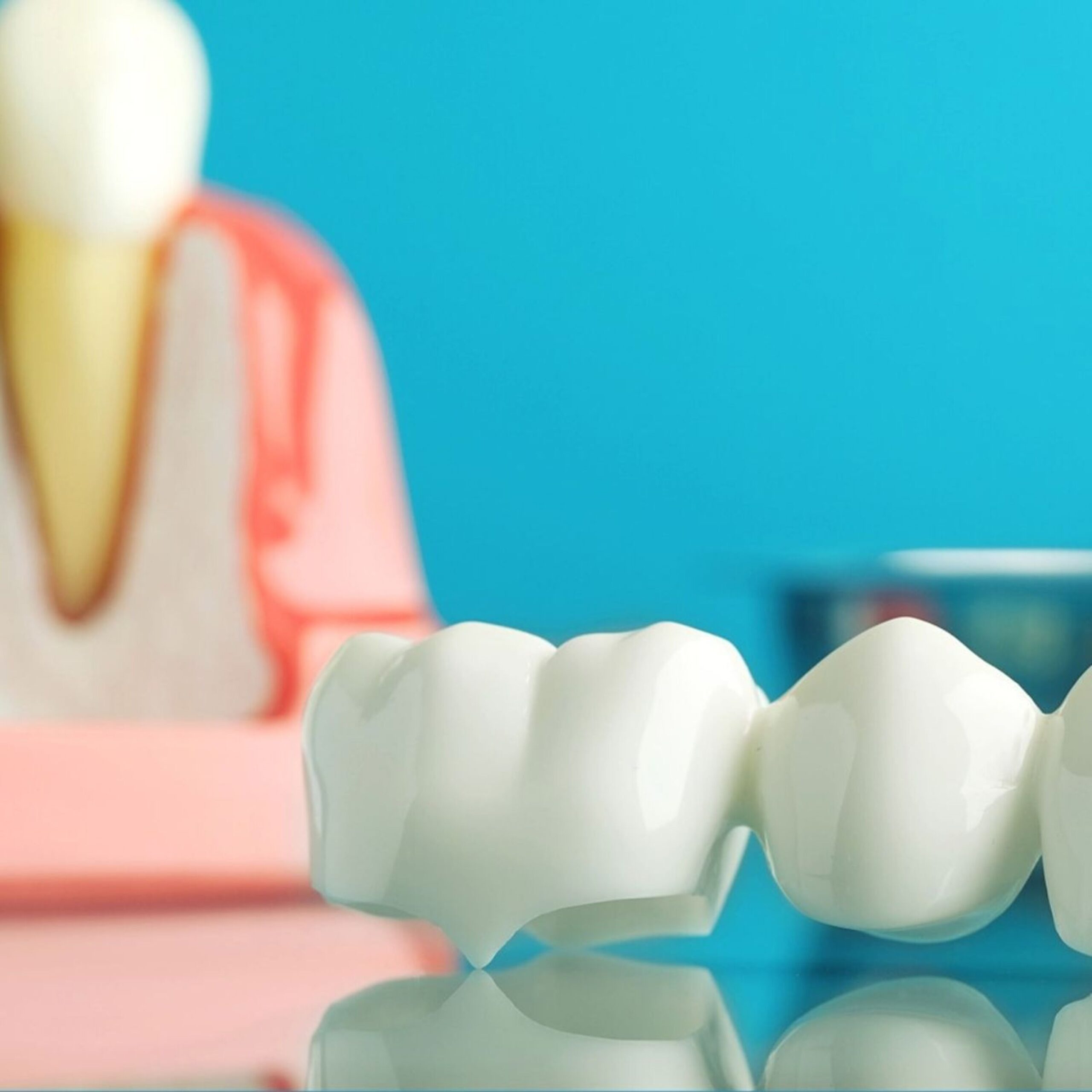
A Dental Crown is a custom-made protective cap that completely covers a damaged or weakened tooth. It restores the tooth’s shape, size, strength, and appearance while protecting it from further damage.
Unlike a filling, which repairs only one part of the tooth, a crown surrounds the entire visible portion. As a result, it provides much greater support when a tooth has lost a significant amount of its natural structure.
The goal is simple—preserve your natural tooth whenever possible.
When Might You Need a Dental Crown?
Your dentist may recommend a Dental Crown in several situations.
For example, a tooth that has undergone Root Canal Treatment often becomes weaker because the infected pulp has been removed. Placing a crown helps protect the tooth from cracking during normal chewing.
Similarly, a large cavity, a broken filling, or a fractured tooth may leave too little healthy tooth structure for another filling. In these situations, a crown restores strength while allowing you to continue using your natural tooth.
Crowns are also placed over dental implants and are sometimes used to improve the appearance of discoloured or misshapen teeth.
What Are the Benefits of a Dental Crown?
A well-designed Dental Crown offers several important advantages.
It strengthens weakened teeth and protects them from further fracture. It restores comfortable chewing and allows many people to eat with confidence again.
Modern ceramic and zirconia crowns also blend naturally with surrounding teeth. As a result, most people cannot easily distinguish a crown from a healthy natural tooth.
Perhaps most importantly, a crown often allows patients to preserve their own tooth instead of having it extracted.
How Has Digital Dentistry Changed Dental Crowns?
The process of making a Dental Crown has changed dramatically over the last decade.
In the past, patients often had to bite into trays filled with impression material. Although this technique was effective, many people found it uncomfortable, especially those with a strong gag reflex.
Today, digital dentistry offers a more comfortable alternative.
Many modern dental clinics now use intraoral digital scanners to create accurate three-dimensional images of the teeth without conventional impressions.
At Your Dental Care Centre, Kota, we use the iTero Element 5D intraoral scanner for impression-free digital scanning. Instead of impression trays, a small handheld scanner captures thousands of images to create a detailed 3D model of your teeth.
These digital scans help Dr. Nikhil Sharma plan each crown with exceptional precision while improving patient comfort. Accurate digital records also help achieve a better fit, a more natural bite, and fewer adjustments during the final appointment.
Technology does not replace clinical expertise, but when advanced digital planning is combined with careful diagnosis and precise treatment, it can improve both comfort and accuracy.
Which Type of Dental Crown Is Best?
There is no single crown that is ideal for every patient.
Ceramic crowns provide excellent aesthetics for front teeth because they closely resemble natural enamel.
Zirconia crowns combine strength with natural appearance and are commonly used for both front and back teeth.
In some situations, other materials may also be recommended depending on the location of the tooth, bite forces, and individual needs.
Your dentist will recommend the most suitable option after carefully evaluating your oral health.
How Long Does a Dental Crown Last?
A Dental Crown can remain functional for many years when it is properly maintained.
Daily brushing, flossing, and regular dental check-ups play an important role in protecting both the crown and the underlying tooth.
Avoiding habits such as chewing ice, opening packages with your teeth, or grinding your teeth without protection may also increase the lifespan of your restoration.
Expert Opinion
According to Dr. Nikhil Sharma, preserving a natural tooth is always the first priority whenever possible. A carefully planned Dental Crown protects weakened teeth, restores normal function, and helps patients maintain their natural smile for many years.
Dr. Balshree Sharma, Pediatric Dentist, also emphasizes the importance of protecting young teeth. When baby teeth are significantly damaged, pediatric crowns can help maintain chewing, speech development, and proper space for the permanent teeth that will erupt later.
Frequently Asked Questions
Is getting a Dental Crown painful?
No. Local anaesthesia keeps the procedure comfortable. Most patients experience only mild sensitivity for a short time afterward.
Will my Dental Crown look natural?
Yes. Modern ceramic and zirconia crowns are designed to match the colour, shape, and size of your surrounding teeth.
Can I eat normally after getting a Dental Crown?
Yes. Once your permanent crown is fitted and your dentist confirms your bite, you can usually return to your normal diet while following the recommended care instructions.
Do all root canal treated teeth need a crown?
Many back teeth benefit from a crown because they experience greater chewing forces. However, the decision depends on the tooth’s remaining structure and your dentist’s clinical assessment.
Conclusion
A Dental Crown does much more than improve the appearance of a damaged tooth. It protects weakened teeth, restores comfortable function, and helps preserve your natural smile for the future.
Modern digital dentistry has also made crown treatment more comfortable and more precise. If you have been advised to get a crown, discuss your options with your dentist so you can choose the treatment that best suits your oral health.
At Your Dental Care Centre, Kota, Dr. Nikhil Sharma and Dr. Balshree Sharma combine clinical expertise with impression-free digital scanning using the iTero Element 5D to provide personalized, evidence-based dental care designed around each patient’s needs.
A damaged tooth doesn't always need to be removed. A dental crown can protect, strengthen, and restore your natural tooth, helping you smile, eat, and speak confidently for years to come.
Modern dental crowns are digitally designed to restore broken, weakened, root canal-treated, or heavily filled teeth with excellent strength, comfort, precision, and natural aesthetics.
✓ Learn when a dental crown is the best treatment option.
✓ Protect weak or damaged teeth from further fractures.
✓ Restore your natural smile, bite, and chewing ability.
✓ Discover how digital crowns provide precise, comfortable, and long-lasting results.