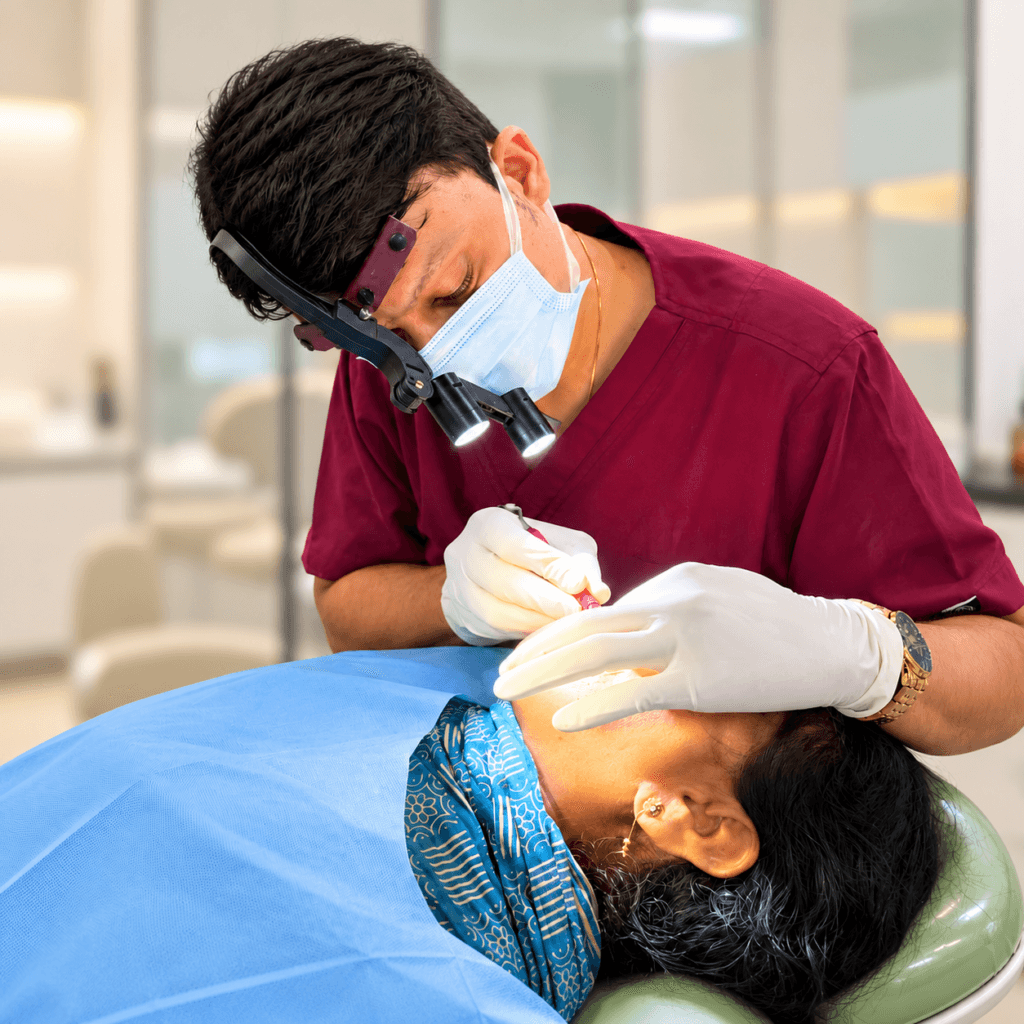
Straighten Your Smile with Digital Braces & Clear Aligners
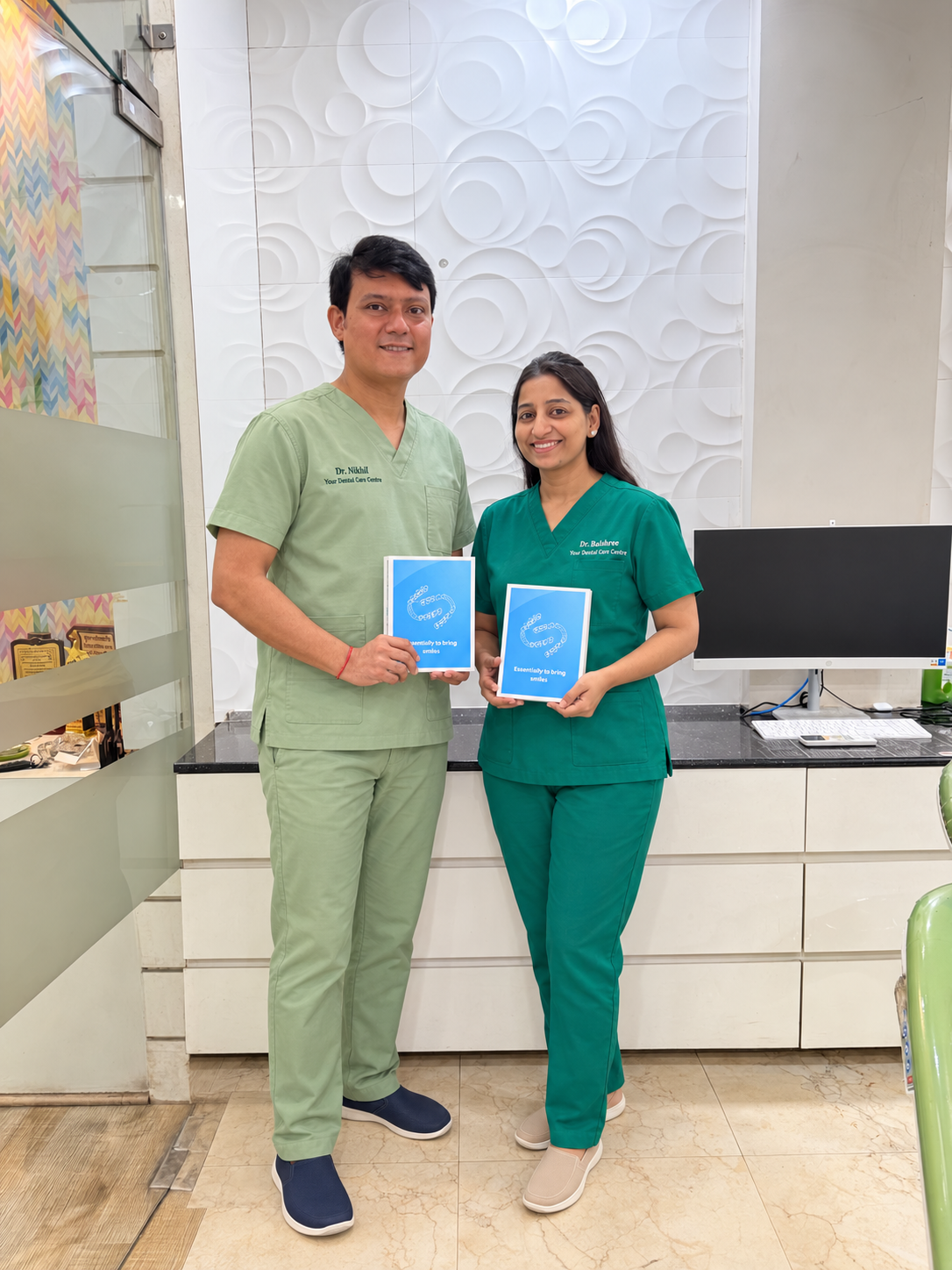
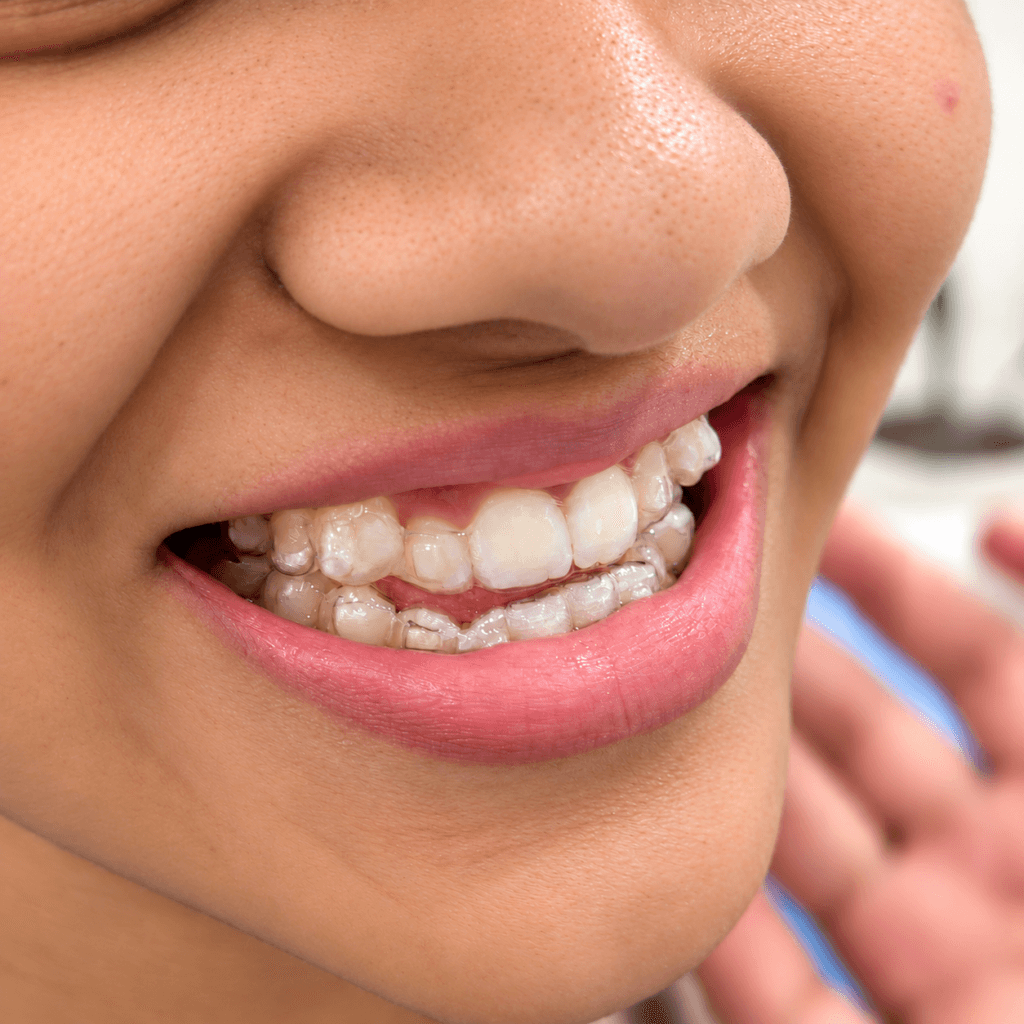
Permanent Dental Implants That Look and Feel Natural
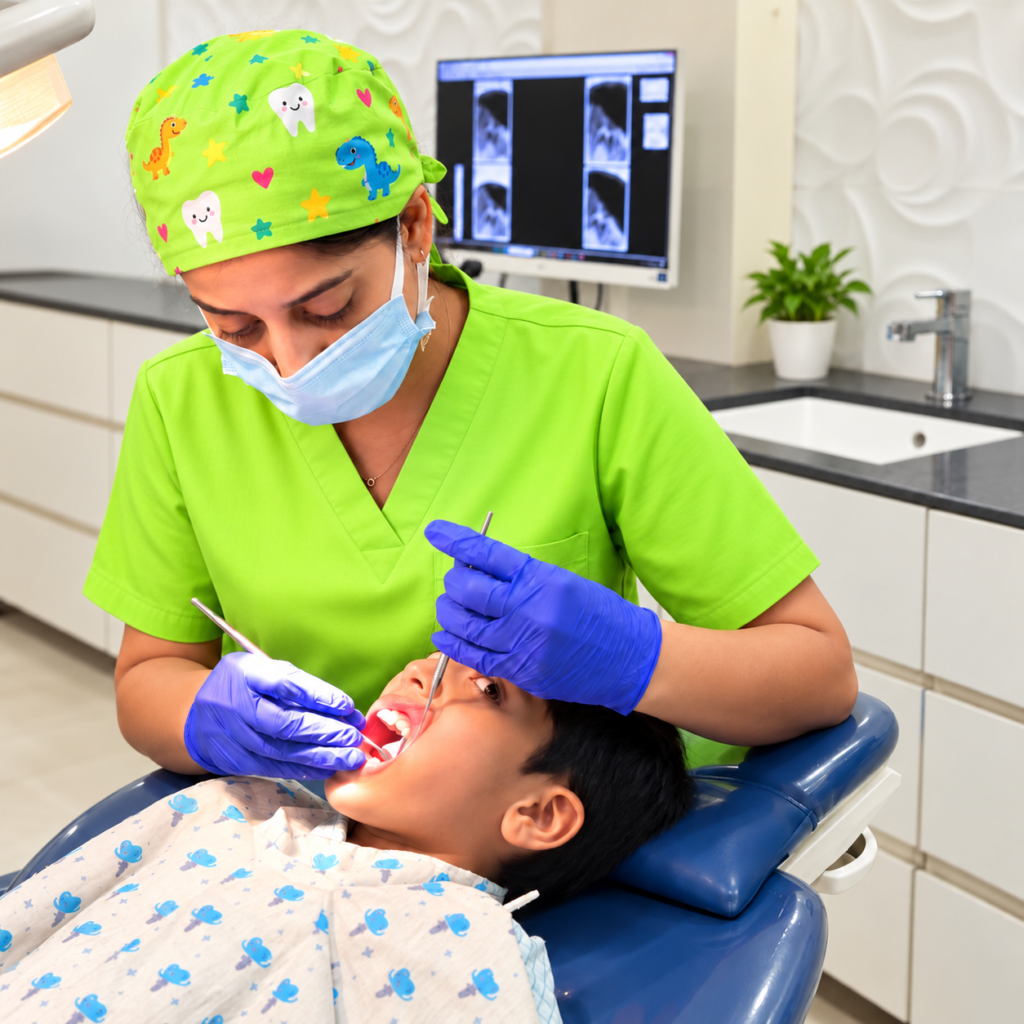
Painless Root Canals, Smile Makeovers & Digital Dentistry
Why Patients Choose Your Dental Care Centre
Digital Clear Aligners & Braces
Invisalign®, clear aligners, ceramic braces, and digital smile correction for all ages.
Guided Dental Implants
Flapless, immediate, and full-mouth implants with digital precision.
Painless Root Canal Treatment
Single-visit root canal treatment focused on saving natural teeth.
Pediatric & Special Child Dentistry
Gentle care with nitrous oxide sedation and treatment for autistic and anxious children.
Smile Makeovers & Laser Dentistry
Veneers, zirconia crowns, laser dentistry, and painless wisdom tooth surgery for confident smiles.
About the Clinic
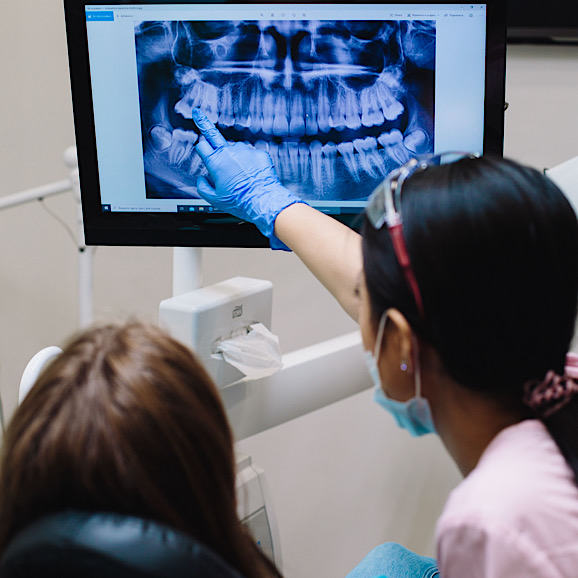
Advanced Digital Dentistry. Personalized Care. Beautiful Smiles.
At Your Dental Care Centre, Dr. Nikhil Sharma and Dr. Balshree Sharma combine advanced digital technology with compassionate care to deliver painless root canals, dental implants, Invisalign®, pediatric dentistry, smile makeovers, laser dentistry, and full-mouth rehabilitation—all under one roof.
18+
+Years of Clinical Excellence
Best Quality Services For You
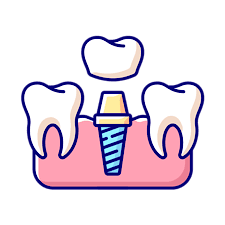
Dental Implants & Full Mouth Rehabilitation in Kota
Restore missing teeth with dental implants and full-mouth rehabilitation in Kota.

Root Canal Treatment in Kota
Relieve tooth pain and save your natural tooth with painless Root Canal Treatment. Learn how painless treatment can...

Braces & Clear Aligners
Your dream smile is closer than you think—discover how Braces and Aligners can transform your confidence for a...
Dental Crowns & Caps
A healthy smile depends on strong, well-protected teeth. Dental crowns and caps restore the natural shape, strength, function,...
Teeth Cleaning And Polishing
A brighter smile begins with healthy teeth—discover how professional Teeth Cleaning and Polishing can transform your oral health.
Laser Teeth Whitening
Your brightest smile is waiting—discover how Laser Teeth Whitening can transform your confidence in just one visit.

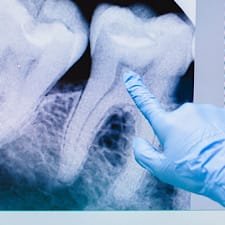
Wisdom Tooth Removal
Say goodbye to wisdom tooth pain and smile comfortably again with expert care by our painless wisdom tooth...
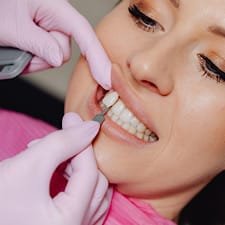
Laser Dentistry
Experience the future of dentistry with Laser Dentistry—painless treatment, greater comfort, and faster healing.

Kids Dental Care
A lifetime of healthy smiles begins with gentle Kids Dental Care in a fun, caring, and comfortable environment.
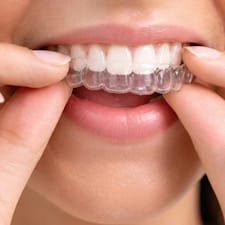
Digital Orthodontics
See your future smile before treatment begins with advanced Digital Orthodontics designed for precision and confidence.
Our Advanced Dental Treatments
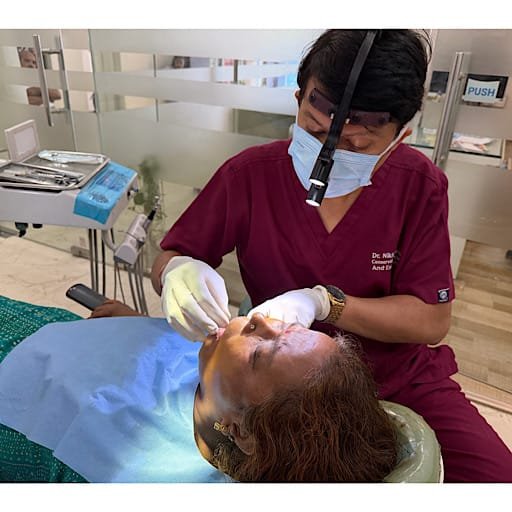

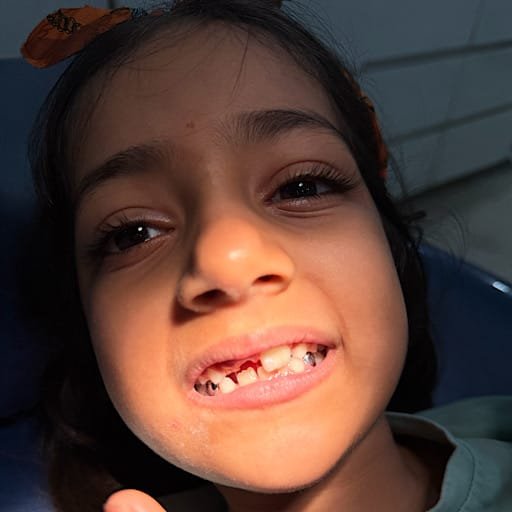
“Meet Our Smile Experts”

Meet Dr. Nikhil Sharma
Endodontist | Certified Implantologist | Certified Digital Orthodontist | Certified Invisalign® Provider
RCT Specialist | Implantologist | Smile Design Expert | Cosmetic Dentist | Certified Invisalign® Provider | Laser-Endo Specialist If you are searching for a dentist in Kota...
- 18+ Years of Clinical Experience
- Endodontist • Implantologist
- Certified Digital Orthodontist • Invisalign Provider • Smile Design Expert
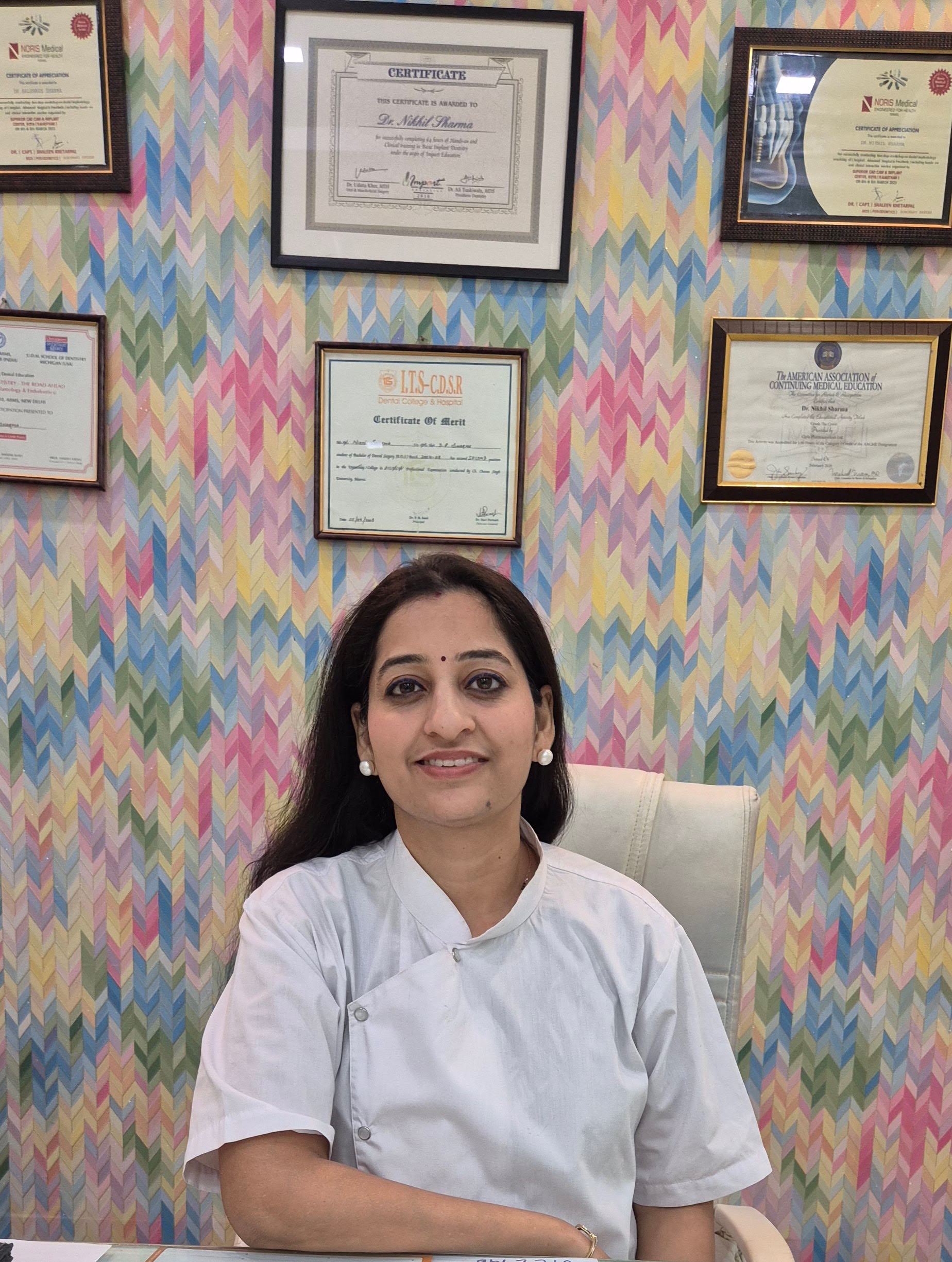
Meet Dr. Balshree Sharma
Smile Design Expert | Pediatric Dentist | Certified Digital Orthodontist
A child’s dental visit can bring questions for the whole family. Parents may worry about their child’s comfort, while the child may feel unsure about what to...
- 15+ Years of Clinical Experience
- Braces • Clear Aligners • Invisalign®
- Smile Makeovers • Veneers • Laser Root Canal

Expertise
Trusted dental experts delivering digital dentistry, painless treatments, dental implants, smile designing, and customized care under one roof.
Advanced Technology
Modern digital dentistry with AI diagnostics, 3D scanning, laser technology, and precision treatment planning.

Customization
Every smile is unique. Customized treatment plans designed for your needs, comfort, and long-lasting results.

Patient-Centered Care
Compassionate, comfortable, and minimally invasive dentistry focused on your oral health and confidence.
Book Your Appointment

Let’s Start Your Healthy and Beautiful Smile Journey
Patient Testimonials

"I was looking for the best dental clinic in Kota, and Your Dental Care Centre exceeded my expectations. Dr. Nikhil Sharma and Dr. Balshree Sharma are highly experienced, caring, and professional. My root canal treatment was smooth, comfortable, and virtually painless. Their advanced digital technology helped diagnose my problem quickly and accurately. I highly recommend this clinic to anyone looking for quality dental care in Kota."

One of the best dental clinics in Kota. Dr. Nikhil Sharma and Dr. Balshree Sharma are highly skilled, humble, and caring. My braces treatment was smooth, comfortable, and every visit over the past year was well organized. I highly recommend Your Dental Care Centre.

Dr. Nikhil Sharma and Dr. Balshree Sharma delivered outstanding dental care with exceptional precision and professionalism. Their honest guidance, advanced treatment approach, and caring team made my entire experience comfortable. The clinic is clean, transparent, and truly patient-focused. I highly recommend Your Dental Care Centre for anyone seeking quality dental treatment.

I had an excellent experience with Dr. Nikhil Sharma at Your Dental Care Centre, Kota. I recently underwent dental surgery, and the entire procedure was completely painless and comfortable. Before starting the treatment, every step was explained clearly, which made me feel relaxed and confident. I had been suffering from dental problems for quite some time, but Dr. Nikhil Sharma handled everything with great precision, patience, and professionalism. The clinic is modern, hygienic, and equipped with advanced digital dental technology, making the treatment smooth and stress-free. The doctors and staff are caring, friendly, and always ready to answer every question. I truly appreciated the attention to detail, transparent communication, and excellent patient care throughout my treatment. I highly recommend Your Dental Care Centre to anyone looking for painless dental treatment in Kota, dental surgery, root canal treatment, dental implants, smile designing, or complete family dental care. Thank you, Dr. Nikhil Sharma and Dr. Balshree Sharma, for providing such a comfortable and successful treatment experience.

I had my Dental Implant and Root Canal Treatment (RCT) at Your Dental Care Centre, Kota, and the entire experience was smooth, painless, and comfortable. Dr. Nikhil Sharma and Dr. Balshree Sharma explained every step clearly, making me feel confident throughout my treatment. The clinic uses advanced technology, provides excellent patient care, and ensures a stress-free experience. I highly recommend Your Dental Care Centre to anyone looking for the best dental implants and painless dental treatment in Kota.

I visited Your Dental Care Centre for my Root Canal Treatment and Dental Crown, and the experience was excellent from start to finish. Dr. Nikhil Sharma is highly skilled, gentle, and explains every step clearly. The entire team was courteous, professional, and respected my time with almost no waiting. The treatment was comfortable, efficient, and completed with great precision. I highly recommend Your Dental Care Centre to anyone looking for painless, high-quality dental treatment in Kota.
FAQ – Got Questions? We’ve Got Answers.

Contact Us
7568889150Our friendly team is here to help. Whether you need guidance about treatment, appointments, costs, or dental emergencies, we're just one call away.
Can diabetic patients get dental implants? Learn how diabetes, healing, gum health and bone condition are evaluated before implant treatment.
Yes. Many people with well-managed diabetes may be suitable candidates for Dental Implants, but treatment should be planned individually. Diabetes can influence healing and the body’s response to infection, so the patient’s medical history, blood glucose control, gum health, bone condition, and overall oral health should be evaluated before implant treatment.
Having diabetes does not automatically mean that dental implants cannot be considered.
Are Dental Implants Safe for Diabetic Patients?
Dental Implants may be considered for appropriately selected patients with diabetes, particularly when their condition is adequately managed.
Before treatment, the dentist may review relevant medical history and advise medical consultation or appropriate investigations when necessary. Smoking, active gum disease, poor oral hygiene, and other health factors may also influence treatment planning and healing.
Does Diabetes Affect Dental Implant Healing?
Diabetes, particularly when poorly controlled, can interfere with normal wound healing and may increase susceptibility to infection.
For this reason, careful assessment and good control of both general and oral health are important before proceeding with implant treatment.
How Are Dental Implants Planned for Patients with Diabetes?
Planning Dental Implants begins with a detailed examination of the mouth, gums, remaining teeth, bite, and available bone.
Appropriate dental imaging may be required to assess the proposed implant site. The patient’s medical history, medications, diabetes management, and other relevant risk factors should also be considered when developing the treatment plan.
Can Diabetic Patients Have Bone Grafting Before Implants?
Bone grafting may be possible in selected patients with diabetes when additional bone is required for implant placement.
Whether grafting is appropriate depends on factors such as the amount of available bone, oral health, medical status, healing potential, and complexity of the proposed treatment.
A clinical and radiographic assessment is necessary before making this decision.
How Can Diabetic Patients Improve Dental Implant Success?
Patients can support their oral health and implant treatment by maintaining good oral hygiene, attending recommended dental reviews, following postoperative instructions, avoiding smoking, and managing diabetes according to their physician’s advice.
Regular professional maintenance is also important after implant treatment.
Should I Consider Dental Implants If I Have Diabetes?
Having diabetes alone does not automatically exclude you from implant treatment. Dental Implants may be an option after an individual assessment of your medical and dental condition.
At Your Dental Care Centre, Kota, Dr. Nikhil Sharma evaluates the patient’s oral condition, available bone, medical history, and other relevant factors before recommending an appropriate implant treatment plan.
Braces Treatment can sometimes make teeth feel slightly mobile during orthodontic tooth movement. This temporary mobility is usually a normal part of the biological process that allows braces to move teeth into their planned positions and does not normally mean that the teeth are becoming permanently loose.
It is normal for teeth to feel slightly mobile during braces treatment. Braces work by applying controlled orthodontic forces to gradually move teeth through the supporting bone. During this process, temporary mild mobility can occur and does not usually mean that the teeth are becoming permanently loose.
However, excessive or unusual tooth mobility should always be evaluated, particularly if it is associated with gum disease, bone loss, trauma, pain, or poor oral hygiene.
Why Can Teeth Feel Mobile During Braces Treatment?
During orthodontic treatment, controlled forces stimulate changes in the bone and tissues surrounding the roots of the teeth. This biological process allows the teeth to gradually move into their planned positions.
Because these supporting tissues are actively adapting, a small amount of temporary mobility may sometimes be noticed during Braces Treatment.
Can Braces Treatment Cause Permanent Tooth Loosening?
In a healthy mouth with appropriately planned orthodontic treatment, Braces Treatment should not normally cause teeth to become permanently loose.
Before and during orthodontic treatment, the health of the teeth, gums, and supporting bone is important. Existing periodontal disease or significant bone loss can increase tooth mobility and may require treatment or additional monitoring.
Can Poor Oral Hygiene During Braces Affect the Gums?
Yes. Brackets and wires can make plaque removal more challenging. If plaque remains around the teeth and gums, it can contribute to gum inflammation and, if persistent, periodontal problems.
Careful brushing, interdental cleaning, professional dental care, and regular monitoring are therefore particularly important during orthodontic treatment.
When Is Tooth Mobility During Braces a Concern?
Mild mobility can occur as teeth move, but contact your dental or orthodontic provider if a tooth becomes unusually mobile or if mobility is accompanied by:
- Significant pain
- Swelling or bleeding gums
- Gum recession
- Pus or signs of infection
- Trauma to the tooth
- Difficulty biting
- Increasing mobility
These findings should be evaluated rather than assumed to be a normal part of orthodontic treatment.
Will Teeth Become Firm Again After Braces Treatment?
After active Braces Treatment is completed, the bone and supporting tissues continue to adapt around the newly positioned teeth. Teeth generally become more stable as this process progresses.
Retainers are then used to help maintain the corrected tooth positions and reduce the risk of orthodontic relapse.
How Can I Keep My Teeth Healthy During Braces?
Maintain good oral hygiene throughout treatment, follow your orthodontic instructions, attend scheduled reviews, and have professional dental care when recommended.
At Your Dental Care Centre, Kota, orthodontic patients can be monitored for tooth movement, bite changes, gum health, and oral hygiene throughout braces treatment.
No. Professional Teeth Cleaning or scaling does not normally make healthy teeth loose. Scaling removes plaque, calculus (tartar), and bacterial deposits from around the teeth and gums. It does not remove the healthy structures that support the teeth.
However, in patients with advanced gum disease, heavy deposits of calculus may have accumulated around already weakened teeth. After these deposits are removed, the existing mobility may become more noticeable. This can create the impression that scaling has loosened the teeth, when the underlying gum and bone disease was actually responsible.
Why Do Teeth Sometimes Feel Loose After Teeth Cleaning?
In advanced periodontal disease, infection can cause loss of the bone and tissues that support the teeth. Heavy calculus may accumulate around these teeth over time.
After Teeth Cleaning removes the calculus and inflammation begins to settle, the true condition of the teeth may become more apparent. Scaling has not caused the bone loss or tooth mobility.
Can Scaling Damage the Gums?
When professionally performed, scaling is intended to improve gum health by removing bacterial deposits that contribute to inflammation.
The gums may occasionally feel tender or sensitive for a short period after cleaning, particularly when significant calculus or gum inflammation was present.
As inflammation reduces, swollen gums may also shrink toward a healthier position. This can sometimes make the teeth appear slightly longer or reveal spaces that were previously hidden by swollen gums and calculus.
Can Teeth Cleaning Cause Gaps Between Teeth?
Teeth Cleaning does not create pathological gaps between healthy teeth.
When substantial calculus and swollen gum tissue are present, they may fill or hide existing spaces. After professional cleaning and reduction of inflammation, these spaces can become more visible.
The underlying gum condition—not the cleaning itself—is usually responsible for this change.
Why Is Regular Teeth Cleaning Important?
Professional cleaning helps remove plaque and hardened calculus that cannot always be completely removed with routine brushing at home.
Depending on an individual’s gum health, professional cleaning can help support:
- Healthier gums
- Reduced plaque and calculus
- Better control of gum inflammation
- Fresher breath
- Early detection of periodontal problems
- Long-term maintenance of teeth and supporting tissues
Should You Avoid Scaling If Your Teeth Are Already Loose?
No. Avoiding professional assessment because teeth feel mobile can allow underlying gum disease to progress.
If teeth are already loose, the dentist should first assess the gums, bone support, degree of mobility, and severity of periodontal disease. The appropriate treatment may involve professional cleaning, deeper periodontal therapy, improved home care, or additional treatment depending on the diagnosis.
Book Your Appointment at Your Dental Care Centre, Kota, the condition of the teeth and gums can be evaluated before recommending the appropriate cleaning or periodontal treatment.
Can tooth removal affect eyesight? Learn the facts about dental extraction, eye health, upper teeth, wisdom teeth and when to contact your dentist.
No. In routine dental treatment, Tooth Removal does not affect eyesight. The nerves responsible for vision are different from the nerves that supply the teeth, so removing a tooth does not normally weaken the eyes or cause loss of vision.
This is a common concern among patients, especially when an upper tooth or wisdom tooth needs to be removed.
Why Do People Think Tooth Removal Affects Eyesight?
Some upper teeth are located relatively close to the maxillary sinus and other structures of the face. Because patients may experience temporary swelling, pressure, or discomfort after an extraction, these symptoms can sometimes create the misconception that tooth removal affects the eyes.
However, routine dental extraction does not damage the nerve responsible for vision.
Can Upper Tooth Removal Affect the Eyes?
Normally, no. Tooth Removal from the upper jaw does not directly affect eyesight.
The roots of some upper back teeth can be close to the maxillary sinus. Therefore, in certain patients, the dentist may recommend appropriate dental imaging before extraction to evaluate the tooth roots and surrounding structures.
Sinus-related considerations are different from problems involving eyesight.
Can Wisdom Tooth Removal Affect Eyesight?
Wisdom tooth removal does not normally affect eyesight. Upper wisdom teeth may be located near the maxillary sinus, while lower wisdom teeth can be close to important nerves of the lower jaw, depending on their position.
A clinical examination and appropriate dental imaging help the dentist assess these anatomical relationships before treatment.
Is Tooth Removal Safe?
Tooth Removal is a commonly performed dental procedure. Before extraction, the dentist evaluates the tooth, surrounding tissues, medical history, and other relevant factors.
The complexity of an extraction varies from patient to patient, particularly with impacted wisdom teeth or teeth positioned close to important anatomical structures.
When Should You Contact Your Dentist After Tooth Removal?
Some pain, tenderness, and swelling can occur after an extraction. Follow the postoperative instructions provided by your dentist.
Contact your dentist if you experience severe or increasing pain, persistent bleeding, increasing swelling, fever, unusual discharge, or any other concerning symptoms.
If you develop any sudden change in vision or significant eye symptoms, seek prompt medical assessment rather than assuming they are a normal consequence of dental extraction.
Should Fear About Eyesight Stop You from Having a Tooth Removed?
No. Fear that extraction will weaken the eyes should not prevent you from receiving necessary dental treatment.
At Your Dental Care Centre, Kota, each extraction is planned according to the individual tooth and surrounding structures. If a tooth requires removal, your dentist can explain the procedure, relevant risks, and expected recovery before treatment.
Wisdom teeth do not always need removal. Some erupt normally, remain healthy, and can be cleaned effectively. However, Wisdom Tooth Removal may be recommended when a wisdom tooth repeatedly causes pain, infection, swelling, damage to a neighbouring tooth, or other dental problems.
A clinical examination and appropriate dental imaging help determine whether the wisdom tooth can be monitored or should be removed.
What Are the Signs That a Wisdom Tooth May Need Removal?
Common symptoms include:
- Pain at the back of the jaw
- Swollen or tender gums
- Repeated gum infection around the wisdom tooth
- Difficulty opening the mouth
- Pain while chewing
- Food getting trapped around a partially erupted tooth
- Bad taste or unpleasant breath associated with infection
- Damage or decay affecting the wisdom tooth or neighbouring tooth
Having one of these symptoms does not automatically mean extraction is required. Proper examination is important before deciding on treatment.
How Is Wisdom Tooth Removal Planned?
Before Wisdom Tooth Removal, the dentist evaluates the position of the tooth, surrounding gums, neighbouring teeth, and relevant anatomical structures.
Dental X-rays or other appropriate imaging may be advised depending on the individual case. This helps the dentist understand the position and complexity of the wisdom tooth and plan treatment appropriately.
Is Every Impacted Wisdom Tooth Removed?
No. An impacted wisdom tooth that is healthy and not causing disease may sometimes be monitored.
Removal may be considered when there is repeated infection, decay that cannot be predictably restored, damage to an adjacent tooth, cyst formation, or another clinical reason for treatment.
The decision should therefore be based on the individual patient’s findings rather than simply on the presence of an impacted wisdom tooth.
Is Wisdom Tooth Removal Painful?
Wisdom Tooth Removal is generally performed under local anaesthesia so that the treatment area is numb during the procedure.
The experience and recovery can vary depending on the position of the tooth and complexity of the procedure. Some swelling, tenderness, and discomfort can occur afterward, and your dentist will provide appropriate postoperative instructions.
What Happens After a Wisdom Tooth Is Removed?
After removal, patients are usually advised to follow specific instructions to support healing. These may include maintaining appropriate oral hygiene, avoiding disturbance of the extraction site, following dietary advice, and taking prescribed medicines only as directed.
Contact your dentist if you develop unusual or increasing pain, significant swelling, persistent bleeding, fever, or other concerning symptoms.
When Should You Consult a Dentist About Wisdom Tooth Removal?
If you experience repeated pain, swelling, infection, or difficulty chewing around a wisdom tooth, arrange a dental examination rather than repeatedly managing the symptoms at home.
At Your Dental Care Centre, Kota, wisdom teeth are clinically evaluated and appropriate dental imaging may be used to determine whether monitoring or Wisdom Tooth Removal is the suitable option.
Tooth pain can occur because of deep decay, infection, cracks, trauma, or inflammation inside the tooth. When the dental pulp becomes severely inflamed or infected, Painless Root Canal Treatment may help relieve discomfort, control infection, and preserve the natural tooth.
However, not every painful tooth needs a root canal. A proper clinical examination and appropriate dental imaging are important to identify the cause before deciding on treatment.
When Is Painless Root Canal Treatment Needed?
Painless Root Canal Treatment may be recommended when the pulp inside a tooth becomes irreversibly inflamed or infected.
Common signs that require dental evaluation include:
- Persistent or severe toothache
- Pain while biting or chewing
- Prolonged sensitivity to hot or cold
- Swelling around a tooth
- A recurring gum boil or pimple
- Deep decay
- A cracked or damaged tooth
- Infection around the root of a tooth
These symptoms do not always mean that root canal treatment is required. The final decision should be based on clinical and radiographic findings.
Can an Infected Tooth Be Saved?
In many cases, yes. If the tooth has adequate remaining structure and can be predictably restored, root canal treatment may allow the natural tooth to be preserved rather than extracted.
During treatment, infected or inflamed tissue is removed from inside the tooth. The root canal system is then carefully cleaned, disinfected, shaped, and sealed.
Preserving a natural tooth whenever clinically appropriate can help maintain normal chewing function and support the surrounding teeth.
How Is Painless Root Canal Treatment Performed?
Modern Painless Root Canal Treatment is generally performed under local anaesthesia to keep the procedure comfortable.
The dentist creates access to the root canal system, removes infected or inflamed tissue, cleans and disinfects the canals, and seals them with a suitable material. Depending on the condition and location of the tooth, a filling or dental crown may subsequently be recommended to protect it.
At Your Dental Care Centre, Kota, treatment planning is based on the condition of the individual tooth, clinical examination, and appropriate diagnostic imaging.
Is Root Canal Treatment Better Than Tooth Extraction?
Whenever a tooth can be predictably saved, preserving the natural tooth is often considered before extraction. A successfully treated and properly restored tooth can continue to function for many years.
Extraction may be necessary when a tooth is severely fractured, has inadequate remaining structure, or cannot be predictably restored.
The appropriate option therefore depends on the condition of the individual tooth rather than choosing the same treatment for every patient.
Does Painless Root Canal Treatment Hurt?
With modern local anaesthesia and appropriate techniques, Painless Root Canal Treatment is intended to make treatment as comfortable as possible.
Some patients may experience mild tenderness after treatment, particularly when there was significant inflammation or infection before the procedure. This usually improves as healing progresses.
Severe or increasing pain, swelling, or other concerning symptoms after treatment should be evaluated by the dentist.
When Should You See a Dentist for Tooth Pain?
Do not ignore persistent tooth pain, swelling, pain while chewing, or prolonged sensitivity. Early diagnosis may make it easier to identify the problem and preserve the affected tooth.
If you have severe swelling, fever, difficulty swallowing, or rapidly worsening symptoms, seek prompt professional assessment.
At Your Dental Care Centre, Kota, Dr. Nikhil Sharma evaluates the cause of tooth pain and recommends treatment according to the clinical and diagnostic findings.
Choosing the right Pediatric Dentist can make a lasting difference in how your child feels about dental care. Children need more than treatment for their teeth—they need patience, gentle communication, age-appropriate care, and an environment where they can gradually develop confidence about visiting the dentist.
At Your Dental Care Centre, Kota, Dr. Balshree Sharma provides comprehensive dental care for infants, children, teenagers, anxious or uncooperative children, and children with special healthcare needs. Every treatment plan is personalised according to the child’s age, dental condition, behaviour, growth, and individual needs.
What Should Parents Look for in a Pediatric Dentist?
A good Pediatric Dentist should focus not only on treating dental problems but also on prevention, early diagnosis, comfortable treatment, and helping children develop a positive relationship with dental care.
Parents should consider:
- Experience in treating infants, children, and teenagers
- Gentle behaviour-management techniques
- Preventive dental examinations
- Management of cavities and Early Childhood Caries (ECC)
- Fluoride treatment and pit-and-fissure sealants
- Minimally invasive dentistry
- Silver Diamine Fluoride (SDF) when appropriate
- Pulpotomy and pulpectomy when indicated
- Pediatric crowns for damaged primary teeth
- Management of dental trauma and emergencies
- Monitoring of developing teeth, jaws, and bite
The aim is not simply to treat a painful tooth. Good pediatric dental care should protect the child’s developing smile and encourage healthy oral habits for life.
How Are Fearful or Uncooperative Children Managed?
Every child responds differently to dental treatment. Some children may be very young, anxious, fearful because of a previous experience, sensitive to the dental environment, or simply unable to cooperate with conventional treatment.
Gentle behaviour-management techniques can help many children become comfortable gradually. When clinically appropriate, nitrous oxide conscious sedation may also be considered to reduce anxiety while the child remains conscious and responsive.
The most appropriate approach depends on the child’s age, anxiety level, medical history, treatment requirements, and ability to cooperate.
What Dental Treatments Can a Pediatric Dentist Provide?
Children may require different types of dental treatment as their teeth and jaws develop. Depending on the diagnosis, pediatric dental care may include:
- Preventive dental check-ups
- Professional cleaning
- Fluoride treatment
- Pit-and-fissure sealants
- Treatment of Early Childhood Caries (ECC)
- Tooth-coloured restorations
- Silver Diamine Fluoride (SDF)
- Minimally invasive dental treatment
- Pulpotomy
- Pulpectomy
- Root canal treatment for young permanent teeth when indicated
- Pediatric dental crowns
- Management of dental injuries
- Space maintainers
- Habit correction
- Early orthodontic assessment
For immature permanent teeth with pulp involvement, procedures such as apexogenesis or apexification may be considered when clinically appropriate.
The objective is to preserve healthy tooth structure whenever possible while protecting the child’s developing permanent teeth and oral health.
Dental Care for Children with Special Healthcare Needs
Yes. Children with autism spectrum disorder, cerebral palsy, developmental conditions, physical disabilities, sensory sensitivities, severe dental anxiety, or limited ability to cooperate may require an individually adapted approach.
At Your Dental Care Centre, Kota, treatment planning for children with special healthcare needs considers the child’s communication ability, behaviour, sensory needs, medical history, and complexity of the required dental treatment.
When routine chairside treatment is not appropriate, advanced behaviour guidance, sedation options, or dental treatment in an operation theatre (OT) under an appropriate medical and anaesthesia team may be considered after careful assessment.
The objective is to find the safest and most appropriate way to provide necessary dental care while respecting each child’s individual needs.
When Should Thumb Sucking and Oral Habits Be Evaluated?
Yes. Persistent habits such as thumb sucking, finger sucking, tongue-related habits, or prolonged pacifier use can influence the position of developing teeth and the bite in some children.
Early assessment allows the dentist to determine whether simple observation, counselling, habit modification, or a habit-breaking appliance may be appropriate.
Early intervention at the right stage can sometimes prevent a developing problem from becoming more complicated.
Why is Early Bite and Jaw Growth Assessment Important?
Yes. Children’s dental visits are also an opportunity to monitor the development of the teeth, jaws, and bite.
Problems such as crossbite, front-tooth crossbite, crowding, abnormal jaw relationships, and certain developing Class III bite patterns may benefit from early orthodontic assessment.
Depending on the child’s age, growth, and diagnosis, treatment may involve observation, interceptive orthodontics, functional or growth-modification appliances, braces, or clear aligners in appropriately selected cases.
Early assessment does not mean that every child needs orthodontic treatment. It helps identify the right treatment at the right stage of growth.
Why Choose Your Dental Care Centre for Pediatric Dentistry?
At Your Dental Care Centre, Kota, Dr. Balshree Sharma provides children’s dental care with an emphasis on prevention, gentle behaviour management, minimally invasive dentistry, early diagnosis, and personalised treatment.
From a child’s first dental visit and preventive care to management of cavities, dental injuries, anxious children, special healthcare needs, and developing bite problems, treatment is planned according to the individual child.
A positive childhood dental experience can influence how a person feels about dental care for many years. Our goal is therefore not only to treat teeth, but also to help children and parents feel informed, comfortable, and confident throughout their dental journey.
If you are looking for a Pediatric Dentist for your child in Kota, begin with a comprehensive dental examination so that your child’s teeth, gums, oral habits, bite, and developing smile can be assessed at the appropriate time.
Choosing the right dentist for dental implants in Kota is an important decision because successful implant treatment depends on accurate diagnosis, careful planning, proper implant placement, and long-term maintenance. The best choice is not simply based on price; experience, technology, bone condition, oral health, and individual treatment needs should all be considered.
At Your Dental Care Centre, Kota, Dr. Nikhil Sharma provides implant treatment using a digitally planned approach. Each patient is clinically evaluated before treatment so that the implant plan can be customized according to the condition of the teeth, gums, bone, and bite.
What Should You Look for When Choosing Dental Implants in Kota?
Before beginning implant treatment, look for a clinic that provides comprehensive examination, appropriate diagnostic imaging, clear treatment planning, and proper follow-up care.
Important factors include:
- Detailed clinical examination
- Assessment of available bone
- Digital treatment planning when indicated
- Appropriate implant selection and positioning
- Evaluation of the gums and surrounding teeth
- Clear explanation of treatment alternatives
- Regular follow-up and maintenance
A carefully planned implant should restore function while also considering the appearance and long-term health of your smile.
How Are Dental Implants in Kota Planned Digitally?
Digital dentistry can help dentists study the jaw, available bone, surrounding teeth, and proposed implant position before surgery. Depending on the individual case, diagnostic imaging and digital planning may be used to improve treatment precision.
At Your Dental Care Centre, implant planning is based on clinical findings and appropriate diagnostic records. In selected cases, guided Implants surgery may also be considered.
Can Dental Implants Replace One or Several Missing Teeth?
Yes. Dental implants can be considered for a single missing tooth, several missing teeth, or in selected cases, complete-arch rehabilitation.
However, the treatment plan differs for every patient. Bone availability, gum health, bite, medical history, and the number and position of missing teeth must be evaluated before recommending treatment.
Are Dental Implants Suitable for Everyone?
Many adults with missing teeth may be candidates for dental implants, but suitability must be determined individually.
Patients with insufficient bone, active gum disease, certain medical conditions, or other risk factors may require additional evaluation or treatment before implant placement. A proper examination is therefore essential.
Why Is Experience Important for Dental Implants ?
Implant dentistry involves much more than placing an implant into the jaw. Correct diagnosis, three-dimensional positioning, management of the surrounding tissues, restorative planning, and follow-up all contribute to the final outcome.
Dr. Nikhil Sharma provides implant treatment at Your Dental Care Centre, Kota, with an emphasis on careful diagnosis, digital planning, precise treatment, and preserving long-term oral function.
If you are considering dental implants in Kota, begin with a comprehensive consultation. This allows the dentist to assess your individual condition and explain the most appropriate options for replacing your missing teeth.
Finding the best Invisalign provider in Kota involves more than simply choosing a clinic that offers clear aligners. The right provider should carefully evaluate your teeth, bite, facial profile, and smile before recommending treatment.
At Your Dental Care Centre, Kota, Dr. Nikhil Sharma and Dr. Balshree Sharma provide digitally planned orthodontic treatment, including Invisalign and clear aligners. Treatment begins with a detailed clinical examination and digital assessment to determine whether aligners are suitable for your individual needs.
What Should You Look for in an Invisalign Provider in Kota?
When choosing an Invisalign provider in Kota, consider the dentist’s experience with digital orthodontics, treatment planning, case monitoring, and ability to manage different types of bite and alignment problems.
A good Invisalign consultation should include an assessment of:
- Crooked or crowded teeth
- Gaps between teeth
- Overbite and underbite
- Crossbite and open bite
- Previous orthodontic treatment or relapse
- Gum and overall oral health
- Your smile and facial profile
Not every patient requires the same treatment. Some cases may be suitable for Invisalign or other clear aligners, while others may benefit from braces or a different orthodontic approach.
How Does an Invisalign Provider Use Digital Scanning?
Modern digital orthodontics can make aligner treatment more comfortable and precise. Instead of relying only on conventional impressions, a 3D intraoral scan creates a detailed digital model of your teeth.
At Your Dental Care Centre, the iTero Element 5D intraoral scanner can be used for digital assessment and treatment planning. Depending on the case, digital technology may also allow patients to visualize proposed tooth movements and understand the treatment plan more clearly.
When Will an Invisalign Provider Recommend Invisalign?
Invisalign can treat many orthodontic problems, but it is not automatically the best option for every patient. Suitability depends on the complexity of tooth movement, bite, oral health, age, and ability to wear the aligners as instructed.
This is why an examination with an experienced Invisalign provider in Kota is important before deciding on treatment.
Invisalign or Braces: Which Should You Choose?
Both Invisalign and braces can produce excellent results when appropriately selected and planned.
Clear aligners are removable and discreet, making them attractive to many teenagers and working adults. Braces may be preferable for certain complex orthodontic movements or for patients who may find consistent aligner wear difficult.
The best option should therefore be selected according to your individual orthodontic needs rather than appearance alone.
Why Choose Your Dental Care Centre for Invisalign in Kota?
At Your Dental Care Centre, Kota, orthodontic treatment combines clinical examination with digital planning to create an individualized treatment approach.
Dr. Nikhil Sharma and Dr. Balshree Sharma provide digital orthodontic and clear-aligner treatment with an emphasis on careful diagnosis, treatment planning, regular monitoring, and long-term oral health.
If you are considering Invisalign, the first step is a consultation to determine whether clear aligners are appropriate for your smile and bite.
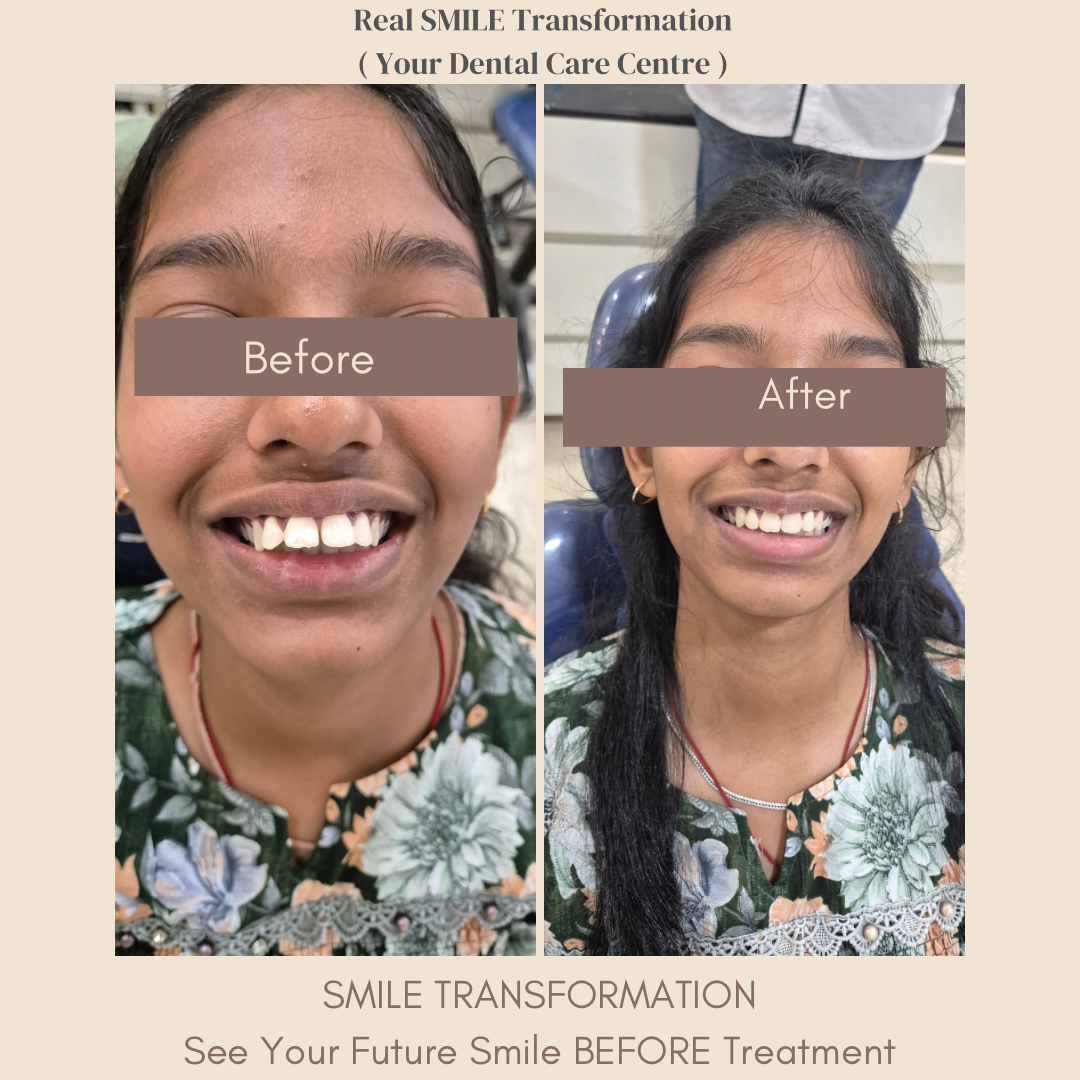
Real Patient Smile Transformations

Digital Zirconia Crowns
yourdentalcaree@gmail.com

Re-Rct and tooth buildup and digital zirconia crowns
yourdentalcaree@gmail.com

Dental Implant
yourdentalcaree@gmail.com

FullMouth Fix DTeeth or Fix Denture
yourdentalcaree@gmail.com
Braces Before & After
yourdentalcaree@gmail.com

Re-RCT and Veeners
yourdentalcaree@gmail.com
Latest from the Dental and oral health Blog

Pediatric Dentistry: Why Age 7 Is the Most Important Year for Your Child’s Smile
Is Your Child Turning 7? This Could Be the Perfect Time to Protect Their Future Smile. Many parents believe orthodontic treatment should begin only after all permanent teeth have erupted during the teenage years. However, by the age of 7, important...
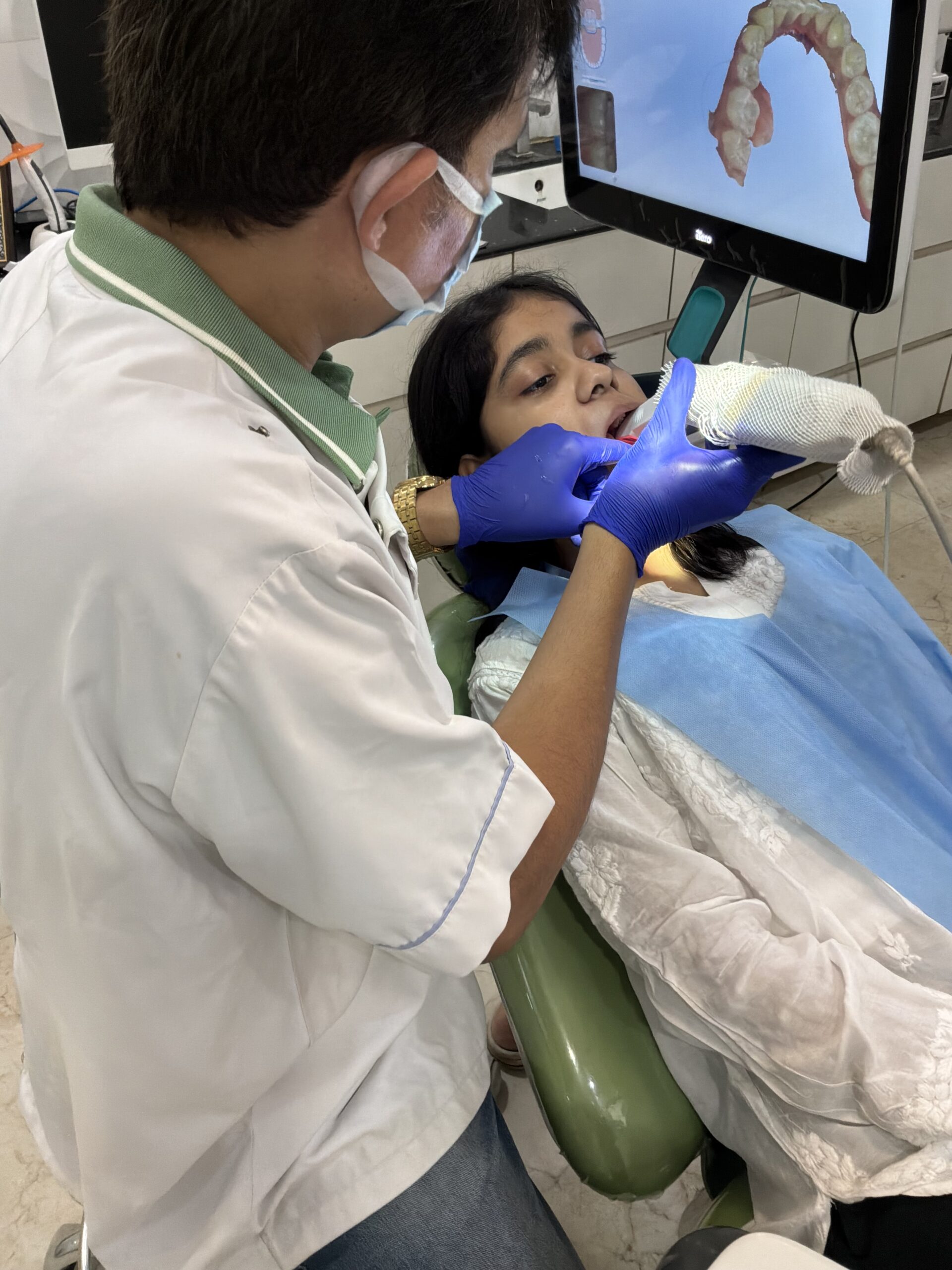
Digital Orthodontics: What If You Could See Your Future Smile Before Treatment?
Imagine Seeing Your Dream Smile Before You Even Begin Have you ever wondered what your smile would look like after orthodontic treatment? Thanks to Digital Orthodontics, you no longer have to imagine. Modern digital technology allows your dentist to create a...
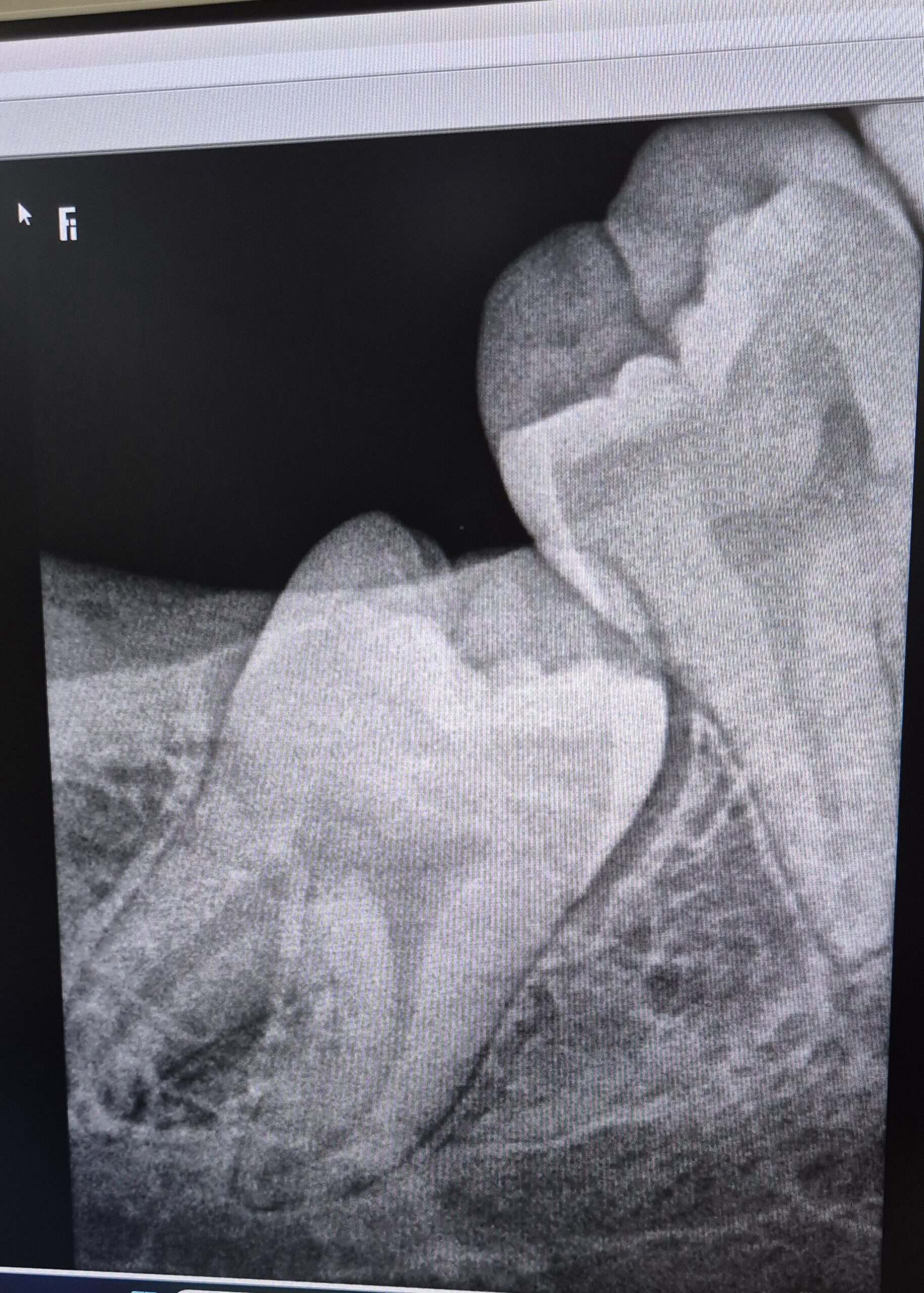
Wisdom Tooth Pain: Causes and Symptoms
Introduction Wisdom Tooth Pain can suddenly make eating, chewing, or even opening your mouth uncomfortable. You may first notice a sharp pain at the back of your mouth, followed by swelling or tenderness around the gums. Understanding the cause early can...
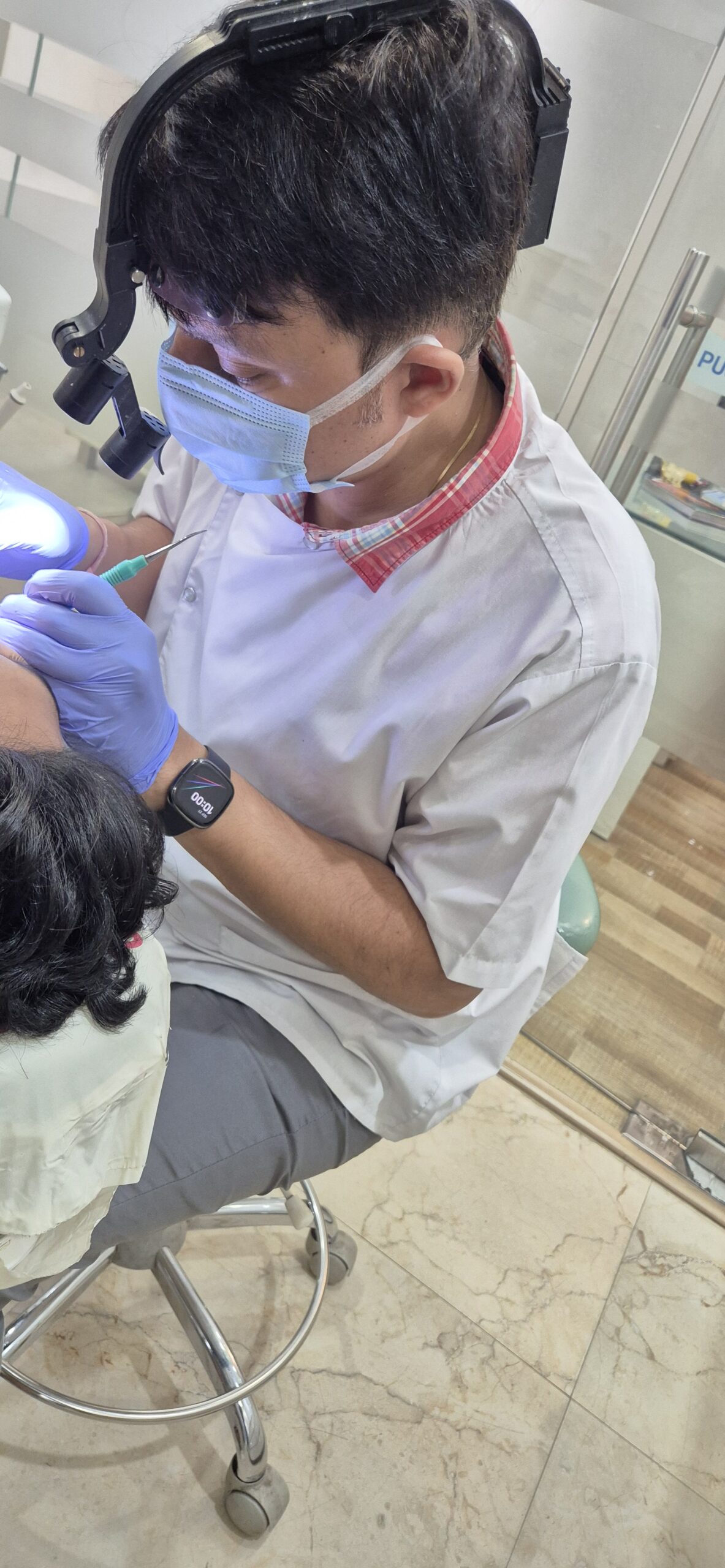
Re-Root Canal Treatment: Why Is Your Root Canal Tooth Hurting Again?
Your Root Canal Was Done… So Why Is the Pain Back? A root canal treatment is one of the most successful procedures for saving a damaged or infected tooth. In most cases, it provides long-lasting relief from pain and infection....
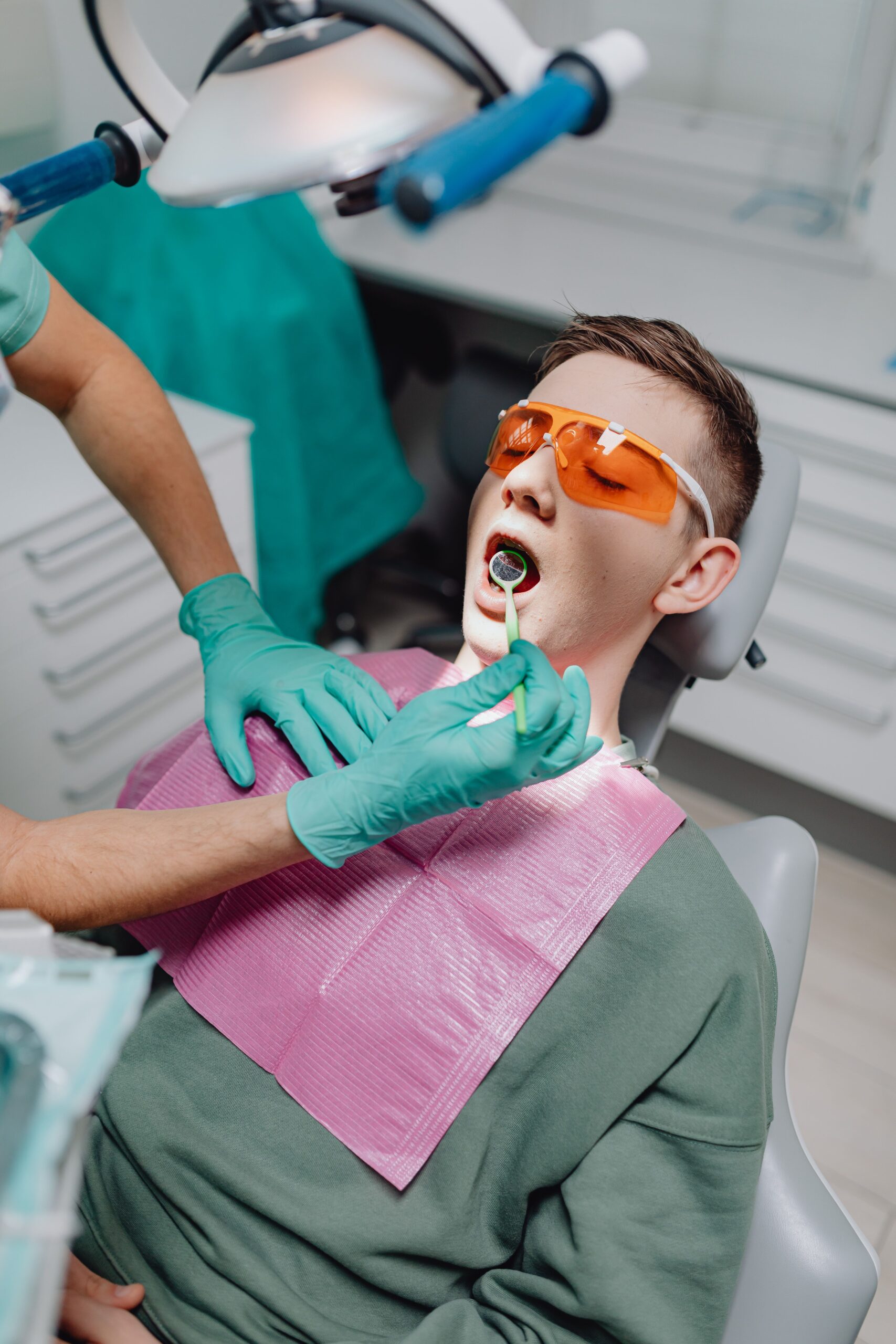
Laser Dentistry: Is It the Future of Pain-Free Dental Treatment?
Imagine Dental Treatment with Less Pain, Less Bleeding, and Faster Healing For many people, fear of pain keeps them away from the dentist. Fortunately, modern Laser Dentistry is changing that experience. By using advanced dental lasers instead of traditional instruments for selected...
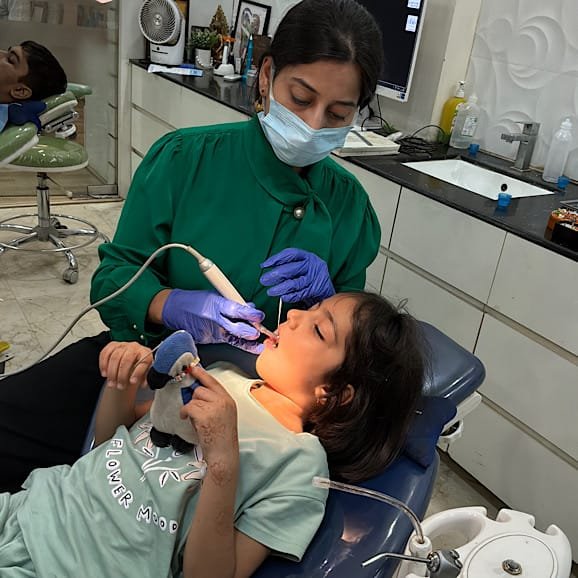
Pediatric Dentistry: Is Your Child’s First Dental Visit More Important Than You Think?
Every Healthy Smile Begins with the First Dental Visit As a parent, you celebrate every milestone—your child's first smile, first tooth, and first steps. But there's another milestone that is just as important for lifelong oral health: the first dental visit....