
Introduction
Losing a tooth can affect your smile, chewing ability, and confidence. Fortunately, modern dentistry offers reliable solutions to replace missing teeth. The two most common options are a Dental Implant and a dental bridge. Both treatments restore function and appearance, but they work differently and offer different long-term benefits.
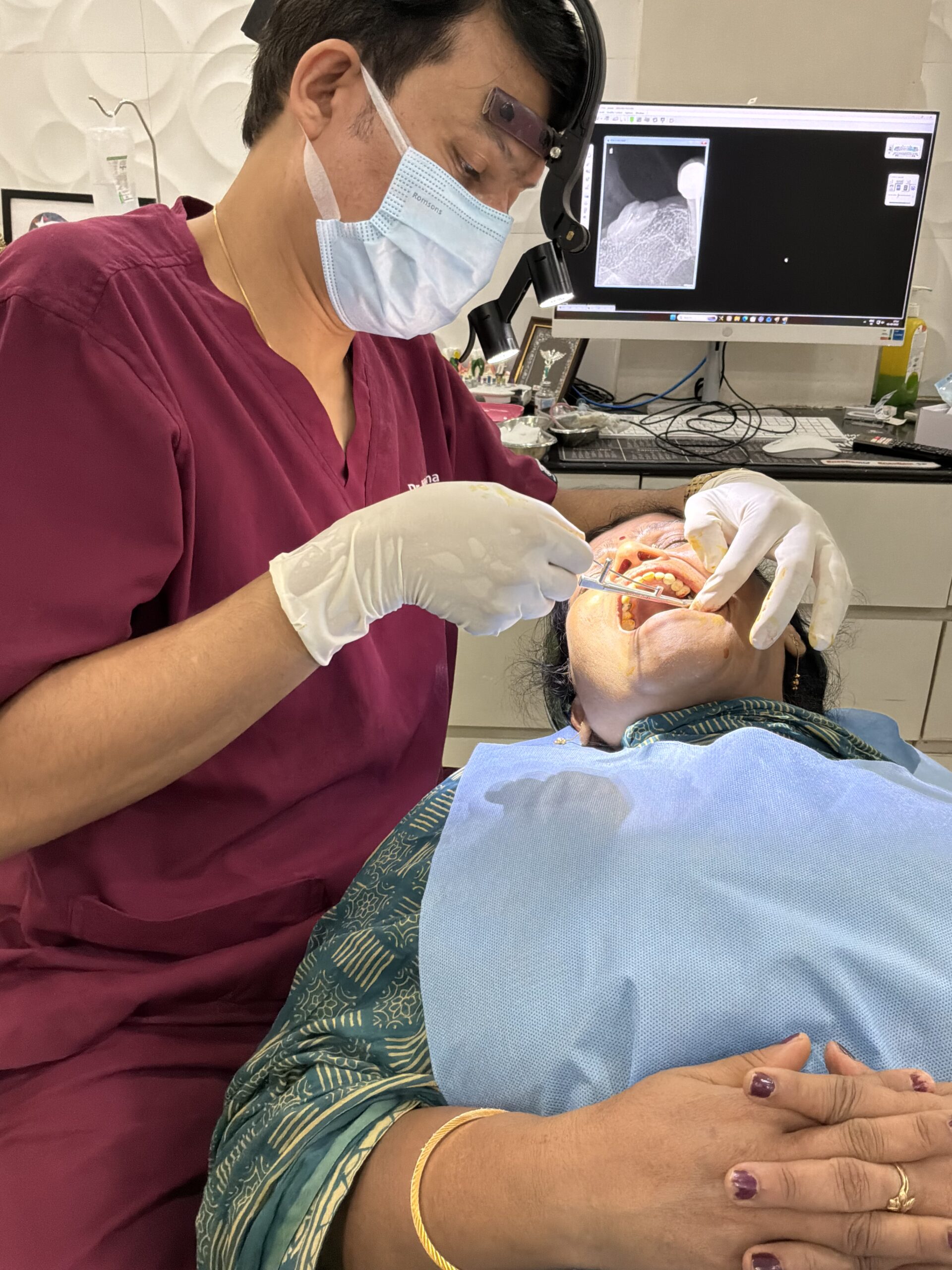
At Your Dental Care Centre, Kota, Dr. Nikhil Sharma, Dental Implantologist, carefully evaluates every patient before recommending the most suitable treatment. The choice depends on your oral health, bone condition, budget, and long-term goals.
What Is a Dental Implant?
A Dental Implant is a titanium fixture that is placed into the jawbone to replace the root of a missing tooth. After healing, a custom-made dental crown is attached to the implant, creating a replacement tooth that looks, feels, and functions like a natural tooth.
Because the implant integrates with the jawbone, it provides excellent stability and helps maintain bone health.
What Is a Dental Bridge?
A dental bridge replaces one or more missing teeth by attaching an artificial tooth to the neighboring natural teeth or implants. Traditional bridges usually require the adjacent healthy teeth to be reshaped so they can support the bridge.
A bridge is often completed more quickly than implant treatment, making it a suitable option for some patients.
Dental Implant vs Dental Bridge
Appearance
Both treatments can provide a natural-looking smile when properly designed. However, a Dental Implant closely mimics the appearance and function of a natural tooth because it replaces both the root and the visible crown.
Durability
A well-maintained Dental Implant can last for many years. Dental bridges also provide reliable results, but they may require replacement over time depending on oral hygiene and wear.
Bone Health
One major advantage of a Dental Implant is that it helps preserve the jawbone after tooth loss. A bridge replaces only the visible tooth and does not stimulate the underlying bone.
Protection of Healthy Teeth
A Dental Implant usually does not require modification of neighboring healthy teeth. In contrast, a traditional bridge often needs the adjacent teeth to be prepared to support the restoration.
Comfort While Eating
Both treatments improve chewing ability. Because a Dental Implant is firmly anchored in the jawbone, many patients feel it provides greater stability during eating.
Who Is a Good Candidate for a Dental Implant?
You may be a suitable candidate if you:
- Have one or more missing teeth
- Have healthy gums
- Have sufficient jawbone or are suitable for bone grafting
- Maintain good oral hygiene
- Want a long-term replacement option
A complete examination and digital imaging help determine the best treatment for your individual needs.
Why Digital Planning Matters
At Your Dental Care Centre, every Dental Implant treatment begins with careful digital planning. CBCT imaging and advanced diagnostic technology help evaluate bone quality, determine the ideal implant position, and improve treatment accuracy.
Digital planning supports safer procedures, greater precision, and more predictable outcomes.
Which Option Should You Choose?
The best treatment depends on your oral condition and expectations.
A Dental Implant is often recommended for patients who want a long-lasting solution that preserves jawbone health and does not rely on neighboring teeth.
A dental bridge may be appropriate when implant placement is not suitable or when a shorter treatment timeline is preferred.
Your dentist will explain the advantages and limitations of each option so that you can make an informed decision.
Frequently Asked Questions
Is a Dental Implant painful?
The procedure is performed under local anesthesia, and most patients experience only mild discomfort during recovery.
Which treatment lasts longer?
A Dental Implant generally provides excellent long-term durability when maintained with good oral hygiene and regular dental visits.
Which treatment looks more natural?
Both options can look natural, but a Dental Implant replaces the missing tooth from the root to the crown, giving it a very natural appearance.
Can everyone receive a Dental Implant?
Not everyone is an immediate candidate. A detailed examination and digital scans help determine whether implant treatment is suitable.
Conclusion
Replacing missing teeth improves your smile, oral health, and confidence. Whether you choose a bridge or a Dental Implant, the right treatment should be based on a professional examination and your individual needs.
If you would like to explore the best option for your smile, schedule a consultation with Dr. Nikhil Sharma at Your Dental Care Centre, Kota, for a personalized treatment plan.
Losing a tooth can affect your smile, confidence, and daily life. Discover how dental implants and dental bridges compare, so you can choose the treatment that best restores your smile and oral health.
Dental implants and dental bridges are both effective tooth replacement options, but they differ in longevity, bone preservation, appearance, maintenance, and treatment planning. Understanding these differences helps you make an informed decision.
✓ Learn when a dental crown is the best treatment option.
✓ Learn which option lasts longer and better protects your jawbone.
✓ Understand the differences in treatment, recovery, and maintenance.
✓ Find the best tooth replacement option for a healthy, confident smile.