Kids Dentist in Kota – Gentle, Advanced Pediatric Dental Care
Finding the right Kids Dentist in Kota can make an important difference in your child’s dental health and their confidence about visiting a dentist. At Your Dental Care Centre, we believe every child deserves a dental experience where they feel safe, understood, respected, and cared for.
A child with dental pain may not always be able to explain what is wrong. They may stop eating properly, wake at night, avoid chewing, become irritable, or suddenly become afraid of anyone touching their mouth. For parents, seeing their child uncomfortable can be deeply worrying.
At Your Dental Care Centre, Dr. Balshree Sharma, Pediatric Dentist in Kota, provides comprehensive dental care for infants, toddlers, children, teenagers, and children with special healthcare needs. If you are looking for a Kids Dentist in Kota, our approach combines prevention, early diagnosis, minimally invasive dentistry, advanced pediatric treatment, behaviour guidance, growth monitoring, and compassionate care personalised to each child.
Our philosophy is simple:
We don’t just treat little teeth—we care for the child behind the smile.
Why Is Pediatric Dentistry Different?
Children are not simply smaller adults. Their milk teeth, developing permanent teeth, jaws, facial structures, bite, habits, behaviour, and emotional needs continuously change as they grow.
In pediatric dentistry kids dentist therefore involves much more than filling cavities. It includes prevention, Early Childhood Caries management, pulp therapy, dental trauma care, preservation of developing teeth, behaviour guidance, special-needs dentistry, monitoring jaw growth, and early orthodontic intervention when indicated.
Every treatment plan is based on the child’s age, dental development, medical history, behaviour, clinical condition, and individual needs.
Kids Dentist for Early Childhood Caries (ECC)
Early Childhood Caries (ECC) can begin at a very young age and may progress rapidly when not identified and managed appropriately.
Early signs may include white or brown areas on the teeth, visible cavities, food getting trapped, sensitivity, difficulty eating, disturbed sleep, or toothache.
Depending on the child’s caries risk and severity of disease, management may include:
- Caries-risk assessment
- Parent and caregiver counselling
- Brushing and oral-hygiene guidance
- Dietary counselling
- Professional fluoride treatment
- Remineralisation strategies
- Silver Diamine Fluoride (SDF) in selected cases
- Minimally invasive cavity management
- Tooth-coloured restorations
- Pulp therapy for deeper cavities
- Pediatric crowns for extensively damaged teeth
In children with Severe Early Childhood Caries, several teeth may be affected at the same time. We therefore look beyond the single painful tooth and develop a comprehensive plan to control disease, restore function, and reduce the risk of caries.
Preventive Care by a Kids Dentist in Kota
One of the most valuable parts of pediatric dentistry is preventing dental problems before they become painful. At Your Dental Care Centre, preventive dental care is planned according to your child’s age, cavity risk, eating habits, oral hygiene, and stage of dental development.
Professional fluoride treatment for children may be recommended to strengthen tooth enamel and reduce the risk of cavities. Pit and fissure sealants can protect the deep grooves of permanent molars where food and bacteria commonly collect and where brushing may be difficult.
Regular dental visits also allow us to identify Early Childhood Caries (ECC), developing bite problems, harmful oral habits, and eruption problems at an early stage. Parents are guided about age-appropriate brushing, fluoride toothpaste, diet, feeding habits, and home dental care.
Preventive pediatric dental care may include:
- Regular dental check-ups and cavity-risk assessment
- Professional cleaning and oral hygiene guidance
- Fluoride treatment for children
- Pit and fissure sealants
- Early detection and management of Early Childhood Caries (ECC)
- Diet and feeding guidance for cavity prevention
- Monitoring the eruption of permanent teeth
- Evaluation of jaw growth and developing bite
- Early assessment of thumb sucking, mouth breathing, and other oral habits
- Guidance for maintaining healthy teeth and gums at home
Healthy habits started early can protect a child’s smile for years to come. Our aim is not only to treat dental disease but also to help children become comfortable with dental care and give parents the knowledge they need to protect their child’s oral health.
Healthy habits today can prevent painful dental problems tomorrow.
SDF & Minimally Invasive Dentistry for Children
Not every cavity needs to begin with an extensive dental procedure.
In appropriately selected cases, Silver Diamine Fluoride (SDF) may be used as a minimally invasive method to help arrest active dental caries. It can be particularly useful for some very young, anxious, special-needs, or less cooperative children when conventional restorative treatment may be difficult at that stage.
Parents are informed beforehand that SDF can cause permanent dark staining of the treated decayed tooth structure.
Our minimally invasive philosophy focuses on controlling disease while preserving as much healthy tooth.
When a cavity becomes deep or a tooth is injured, the pulp—the living tissue inside the tooth—may become affected.Depending on whether the tooth is a milk tooth or permanent tooth, the condition of the pulp, presence of infection, symptoms, and stage of root development, treatment may include:
- Indirect pulp treatment
- Vital pulp therapy
- Pulpotomy
- Pulpectomy
- Root canal treatment for permanent teeth
- Single-visit pulp therapy or root canal procedures in appropriately selected cases
The aim is to control pain and infection while preserving the natural tooth whenever clinically appropriate.
Apexogenesis & Apexification in Young Permanent Teeth
A newly erupted permanent tooth may not yet have a fully developed root. If such a tooth develops deep decay or suffers trauma, treatment requires particular care.
In suitable vital young permanent teeth, apexogenesis aims to preserve healthy pulp tissue so that natural root development can continue.
When an immature permanent tooth loses pulp vitality, apexification or other appropriate endodontic/regenerative procedures may be considered depending on the individual clinical situation.
Protecting young permanent teeth is especially important because these teeth are expected to serve the child for many years.
Pediatric Crowns – Protecting Weakened Little Teeth
A severely decayed or structurally weakened milk tooth may require more protection than a conventional filling can provide.
Depending on the tooth and clinical condition, options may include:
- Stainless steel crowns
- Tooth-coloured pediatric crowns
- Aesthetic crowns for suitable front teeth
- Preformed pediatric crowns
- Full-coverage restorations following pulp therapy
- Same-visit crown placement in suitable cases
The appropriate crown is selected according to the amount of remaining tooth structure, location of the tooth, bite, age of the child, expected lifespan of the primary tooth, and individual treatment requirements.
Dental Trauma & Injuries in Children
Children run, play, fall—and dental accidents can happen in seconds.
An injury may cause a tooth to chip, fracture, loosen, become displaced, or, in some cases, be completely knocked out. Trauma can affect both milk teeth and developing permanent teeth.
Treatment depends on the child’s age, type of injury, tooth involved, stage of root development, and surrounding tissues.
If your child suffers a dental injury, seek professional dental advice promptly. Early assessment can make an important difference in the management of an injured tooth.
Thumb Sucking, Tongue Thrusting & Oral Habits
Thumb or finger sucking is common in young children and does not automatically mean that treatment is required. However, when a sucking habit persists as the child grows, its frequency, duration, and intensity can sometimes influence tooth position, bite, and jaw development.
We evaluate habits including:
- Persistent thumb or finger sucking
- Prolonged pacifier use
- Tongue thrusting
- Mouth breathing
- Abnormal lip habits
- Nail biting when dentally relevant
Management may include counselling, positive habit modification, monitoring, myofunctional approaches when appropriate, or habit-breaking appliances when clinically indicated.
Our aim is not simply to stop a habit—it is to understand whether that habit is affecting the child’s developing smile.
Jaw Growth, Bite Correction & Interceptive Orthodontics
A child’s smile is continuously developing. Sometimes the right intervention during growth can help guide teeth and jaws before a problem becomes more established.
Early orthodontic assessment may identify:
- Crowding or inadequate space
- Anterior crossbite
- Posterior crossbite
- Developing Class III bite relationships
- Abnormal overjet or overbite
- Open bite
- Premature loss of milk teeth
- Eruption problems
- Jaw-growth discrepancies
- Problems associated with persistent oral habits
Depending on the child’s age, growth, and diagnosis, treatment may include space maintainers, habit-breaking appliances, removable or fixed appliances, growth-modification approaches, interceptive orthodontics, braces, or clear aligners in appropriately selected cases.
An early assessment does not mean every child needs immediate orthodontic treatment. The purpose is to identify problems early and determine the most appropriate time to intervene.
Mouth Breathing, Airway Concerns & Oral Development
Persistent mouth breathing, snoring, abnormal tongue posture, and certain airway-related concerns may be associated with changes in oral function, dental development, or facial growth.
During dental assessment, we can evaluate oral and dental signs and determine whether further investigation is appropriate.
When enlarged adenoids or another medical airway problem is suspected, the child may require evaluation by an ENT specialist or other appropriate medical professional. Dental, orthodontic, myofunctional, or oral-appliance approaches may be considered when clinically appropriate as part of coordinated care.
The aim is to address the child’s needs responsibly rather than treating an airway or adenoid condition with dentistry alone.
Gentle Behaviour Guidance for Anxious or Uncooperative Children
Some children happily sit in the dental chair. Others may cry, refuse to open their mouth, become frightened by unfamiliar sounds, or simply be unable to cooperate with conventional treatment.
That does not mean the child should be labelled “difficult.”
Depending on age and individual needs, our behaviour-guidance approach may include:
- Tell-show-do
- Positive reinforcement
- Distraction
- Age-appropriate communication
- Gradual familiarisation
- Desensitisation where appropriate
- Parent or caregiver involvement when beneficial
- Individualised appointment planning
Our aim is to build trust rather than force cooperation.
A successful pediatric dental visit is not only about completing a procedure. It is also about helping the child become more comfortable with future dental care.
Nitrous Oxide Conscious Sedation for Children
For some anxious or apprehensive children, behaviour guidance alone may not provide enough support for necessary dental treatment.
When clinically appropriate, nitrous oxide–oxygen conscious sedation may be considered to help reduce anxiety and improve comfort and cooperation during procedures like Root Canal Treatment etc while the child remains conscious and responsive.
Not every child requires or is suitable for nitrous oxide sedation. The decision is based on medical history, age, anxiety, cooperation, and the dental procedure required.
Parents receive appropriate instructions and information before treatment.
Special Child Dentistry – Individualised Care with Compassion
Every child deserves appropriate dental care—including children for whom an ordinary dental appointment may be challenging.
At Your Dental Care Centre, we provide individualised dental care for children with special healthcare needs, including children who may have:
- Autism spectrum disorder
- Cerebral palsy
- Developmental differences
- Physical disabilities
- Sensory sensitivities
- Communication difficulties
- Behavioural challenges
- Significant dental anxiety
- Difficulty cooperating with conventional dental treatment
Before planning treatment, we try to understand the child’s medical history, communication abilities, sensory triggers, previous dental experiences, and level of cooperation.
Some children may benefit from familiarisation and gradual desensitisation. Others may require nitrous oxide sedation or a different treatment environment.
The child is never just a diagnosis. Dental care should be designed around the individual child.
Dental Treatment Under General Anaesthesia in an Operation Theatre
Some children require extensive dental treatment but cannot safely or effectively tolerate the necessary procedures in a conventional dental-chair setting despite appropriate behaviour guidance.
In carefully selected cases, comprehensive dental treatment under general anaesthesia in an operation theatre (OT)may be considered following appropriate assessment.
This may be relevant for some very young children with extensive dental disease, children with special healthcare needs, or children for whom extensive chairside treatment is not feasible.
The decision is based on the child’s dental needs, age, medical condition, behaviour, treatment complexity, and overall safety. Appropriate medical and anaesthetic assessment is required before proceeding.
Where suitable, completing necessary treatment comprehensively can help avoid repeated stressful dental visits.
Why Choose Your Dental Care Centre for a Kids Dentist in Kota?
Parents are not simply looking for someone to fill their child’s cavity. They are trusting someone with a person who means everything to them.
At Your Dental Care Centre, Dr. Balshree Sharma provides pediatric dental care with an emphasis on prevention, accurate diagnosis, preservation of natural teeth, gentle behaviour guidance, developing smiles, and individualised treatment planning.
Our pediatric care brings together:
- Preventive dentistry and fluoride care
- Early Childhood Caries management
- SDF and minimally invasive dentistry
- Fillings, pulpotomy and pulpectomy
- Pediatric root canal treatment
- Stainless steel and aesthetic pediatric crowns
- Apexogenesis and apexification for developing permanent teeth
- Dental trauma management
- Space maintainers
- Thumb-sucking and habit management
- Jaw-growth and bite assessment
- Interceptive orthodontics
- Crossbite and developing Class III evaluation
- Braces and clear-aligner assessment for suitable growing patients
- Nitrous oxide conscious sedation
- Special-needs pediatric dentistry
- Dental care for children with autism and cerebral palsy
- OT-based dental treatment under general anaesthesia when clinically appropriate
Most importantly, treatment recommendations are based on what your child actually needs, not on a one-size-fits-all approach.
When Should Your Child Visit a Dentist?
Do not wait for severe tooth pain before arranging your child’s dental examination.
Consider scheduling a visit if your child has:
- Toothache or sensitivity
- Visible cavities
- Swelling or dental infection
- Difficulty eating or chewing
- Broken or injured teeth
- Early loss of milk teeth
- Persistent thumb sucking or other oral habits
- Crooked or crowded teeth
- Crossbite or abnormal bite
- Mouth breathing or concerns about jaw development
- Significant fear of dental treatment
- Special healthcare needs requiring personalised dental planning
Preventive dental visits are equally important even when nothing appears to be wrong.
Give Your Child a Healthy Start
A healthy childhood smile is about much more than cavity-free teeth.
It is about being able to eat comfortably, sleep without tooth pain, speak confidently, develop normally, smile freely, and grow up without believing that a dental visit has to be frightening.
If you are looking for a Kids Dentist in Kota, schedule a consultation with Dr. Balshree Sharma at Your Dental Care Centre.
Whether your child needs their first dental visit, fluoride treatment, ECC management, SDF, a filling, pulp therapy, a pediatric crown, treatment after dental trauma, early bite correction, special-needs dental care, nitrous oxide sedation, or more comprehensive treatment, we will first understand the child, explain the available options to you, and then plan care according to their individual needs.
Bring us the little smile you worry about so much. We will care for it with the attention it deserves.
Healthy Little Smiles Today. Confident Smiles for Life.
- Tooth Pain & Cavity Treatment for Children Early diagnosis and gentle treatment help relieve pain, treat cavities, and preserve healthy milk teeth for proper oral development.
- Tooth Pain & Cavity Treatment for Children Early diagnosis and gentle treatment help relieve pain, treat cavities, and preserve healthy milk teeth for proper oral development.
- Tooth Pain & Cavity Treatment for Children Early diagnosis and gentle treatment help relieve pain, treat cavities, and preserve healthy milk teeth for proper oral development.
- Tooth Pain & Cavity Treatment for Children Early diagnosis and gentle treatment help relieve pain, treat cavities, and preserve healthy milk teeth for proper oral development.
- Tooth Pain & Cavity Treatment for Children Early diagnosis and gentle treatment help relieve pain, treat cavities, and preserve healthy milk teeth for proper oral development.
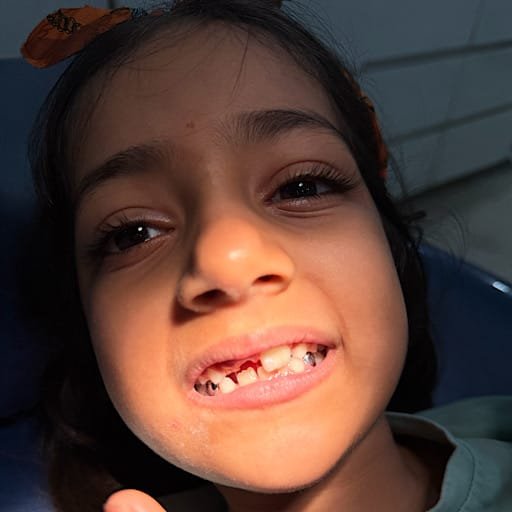
Tooth Pain & Cavity Treatment for Children Early diagnosis and gentle treatment help relieve pain, treat cavities, and preserve healthy milk teeth for proper oral development.
Book Your Appointment