
Dental Crown: When Do You Need One? Complete Patient Guide
Introduction
Imagine biting into your favourite food and suddenly feeling a crack in your tooth. Or perhaps your dentist tells you that a simple filling is no longer enough to protect your tooth. In many of these situations, a Dental Crown becomes one of the best treatment options.
Although many people think a crown is only used to improve appearance, its main purpose is to restore strength, protect weakened teeth, and help you keep your natural tooth for as long as possible. Understanding how crowns work can help you make informed decisions about your oral health.
What Is a Dental Crown?
A Dental Crown is a custom-made protective cap that completely covers a damaged or weakened tooth. It restores the tooth’s shape, size, strength, and appearance while protecting it from further damage.
Unlike a filling, which repairs only one part of the tooth, a crown surrounds the entire visible portion. As a result, it provides much greater support when a tooth has lost a significant amount of its natural structure.
The goal is simple—preserve your natural tooth whenever possible.
When Might You Need a Dental Crown?
Your dentist may recommend a Dental Crown in several situations.
For example, a tooth that has undergone Root Canal Treatment often becomes weaker because the infected pulp has been removed. Placing a crown helps protect the tooth from cracking during normal chewing.
Similarly, a large cavity, a broken filling, or a fractured tooth may leave too little healthy tooth structure for another filling. In these situations, a crown restores strength while allowing you to continue using your natural tooth.
Crowns are also placed over dental implants and are sometimes used to improve the appearance of discoloured or misshapen teeth.
What Are the Benefits of a Dental Crown?
A well-designed Dental Crown offers several important advantages.
It strengthens weakened teeth and protects them from further fracture. It restores comfortable chewing and allows many people to eat with confidence again.
Modern ceramic and zirconia crowns also blend naturally with surrounding teeth. As a result, most people cannot easily distinguish a crown from a healthy natural tooth.
Perhaps most importantly, a crown often allows patients to preserve their own tooth instead of having it extracted.
How Has Digital Dentistry Changed Dental Crowns?
The process of making a Dental Crown has changed dramatically over the last decade.
In the past, patients often had to bite into trays filled with impression material. Although this technique was effective, many people found it uncomfortable, especially those with a strong gag reflex.
Today, digital dentistry offers a more comfortable alternative.
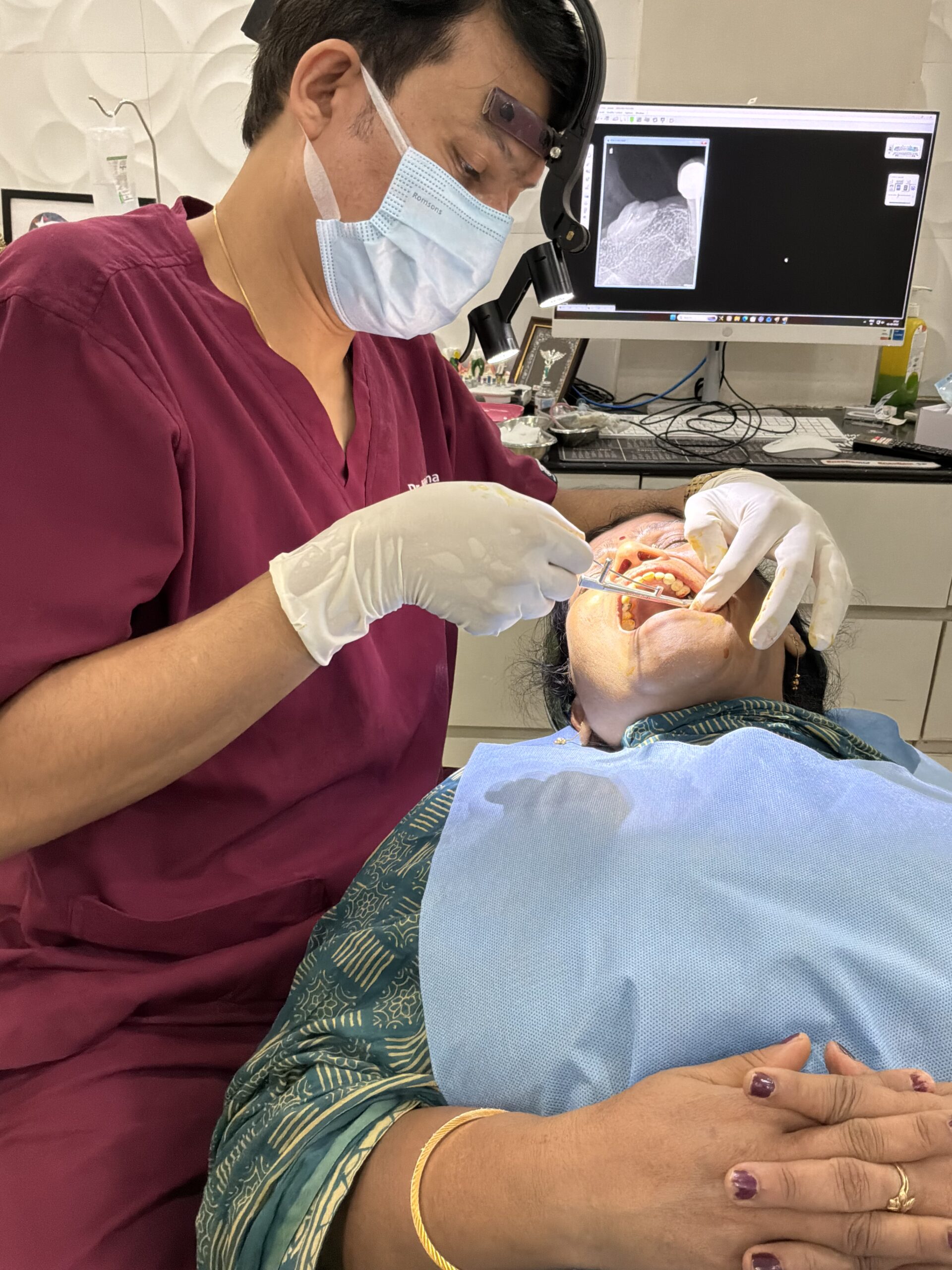
Many modern dental clinics now use intraoral digital scanners to create accurate three-dimensional images of the teeth without conventional impressions.
At Your Dental Care Centre, Kota, we use the iTero Element 5D intraoral scanner for impression-free digital scanning. Instead of impression trays, a small handheld scanner captures thousands of images to create a detailed 3D model of your teeth.
These digital scans help Dr. Nikhil Sharma plan each crown with exceptional precision while improving patient comfort. Accurate digital records also help achieve a better fit, a more natural bite, and fewer adjustments during the final appointment.
Technology does not replace clinical expertise, but when advanced digital planning is combined with careful diagnosis and precise treatment, it can improve both comfort and accuracy.
Which Type of Dental Crown Is Best?
There is no single crown that is ideal for every patient.
Ceramic crowns provide excellent aesthetics for front teeth because they closely resemble natural enamel.
Zirconia crowns combine strength with natural appearance and are commonly used for both front and back teeth.
In some situations, other materials may also be recommended depending on the location of the tooth, bite forces, and individual needs.
Your dentist will recommend the most suitable option after carefully evaluating your oral health.
How Long Does a Dental Crown Last?
A Dental Crown can remain functional for many years when it is properly maintained.
Daily brushing, flossing, and regular dental check-ups play an important role in protecting both the crown and the underlying tooth.
Avoiding habits such as chewing ice, opening packages with your teeth, or grinding your teeth without protection may also increase the lifespan of your restoration.
Expert Opinion
According to Dr. Nikhil Sharma, preserving a natural tooth is always the first priority whenever possible. A carefully planned Dental Crown protects weakened teeth, restores normal function, and helps patients maintain their natural smile for many years.
Dr. Balshree Sharma, Pediatric Dentist, also emphasizes the importance of protecting young teeth. When baby teeth are significantly damaged, pediatric crowns can help maintain chewing, speech development, and proper space for the permanent teeth that will erupt later.
Frequently Asked Questions
Is getting a Dental Crown painful?
No. Local anaesthesia keeps the procedure comfortable. Most patients experience only mild sensitivity for a short time afterward.
Will my Dental Crown look natural?
Yes. Modern ceramic and zirconia crowns are designed to match the colour, shape, and size of your surrounding teeth.
Can I eat normally after getting a Dental Crown?
Yes. Once your permanent crown is fitted and your dentist confirms your bite, you can usually return to your normal diet while following the recommended care instructions.
Do all root canal treated teeth need a crown?
Many back teeth benefit from a crown because they experience greater chewing forces. However, the decision depends on the tooth’s remaining structure and your dentist’s clinical assessment.
Conclusion
A Dental Crown does much more than improve the appearance of a damaged tooth. It protects weakened teeth, restores comfortable function, and helps preserve your natural smile for the future.
Modern digital dentistry has also made crown treatment more comfortable and more precise. If you have been advised to get a crown, discuss your options with your dentist so you can choose the treatment that best suits your oral health.
At Your Dental Care Centre, Kota, Dr. Nikhil Sharma and Dr. Balshree Sharma combine clinical expertise with impression-free digital scanning using the iTero Element 5D to provide personalized, evidence-based dental care designed around each patient’s needs.
Dental Implant vs Dental Bridge: Which Is Better?
Introduction
Losing a tooth can affect your smile, chewing ability, and confidence. Fortunately, modern dentistry offers reliable solutions to replace missing teeth. The two most common options are a Dental Implant and a dental bridge. Both treatments restore function and appearance, but they work differently and offer different long-term benefits.
At Your Dental Care Centre, Kota, Dr. Nikhil Sharma, Dental Implantologist, carefully evaluates every patient before recommending the most suitable treatment. The choice depends on your oral health, bone condition, budget, and long-term goals.
What Is a Dental Implant?
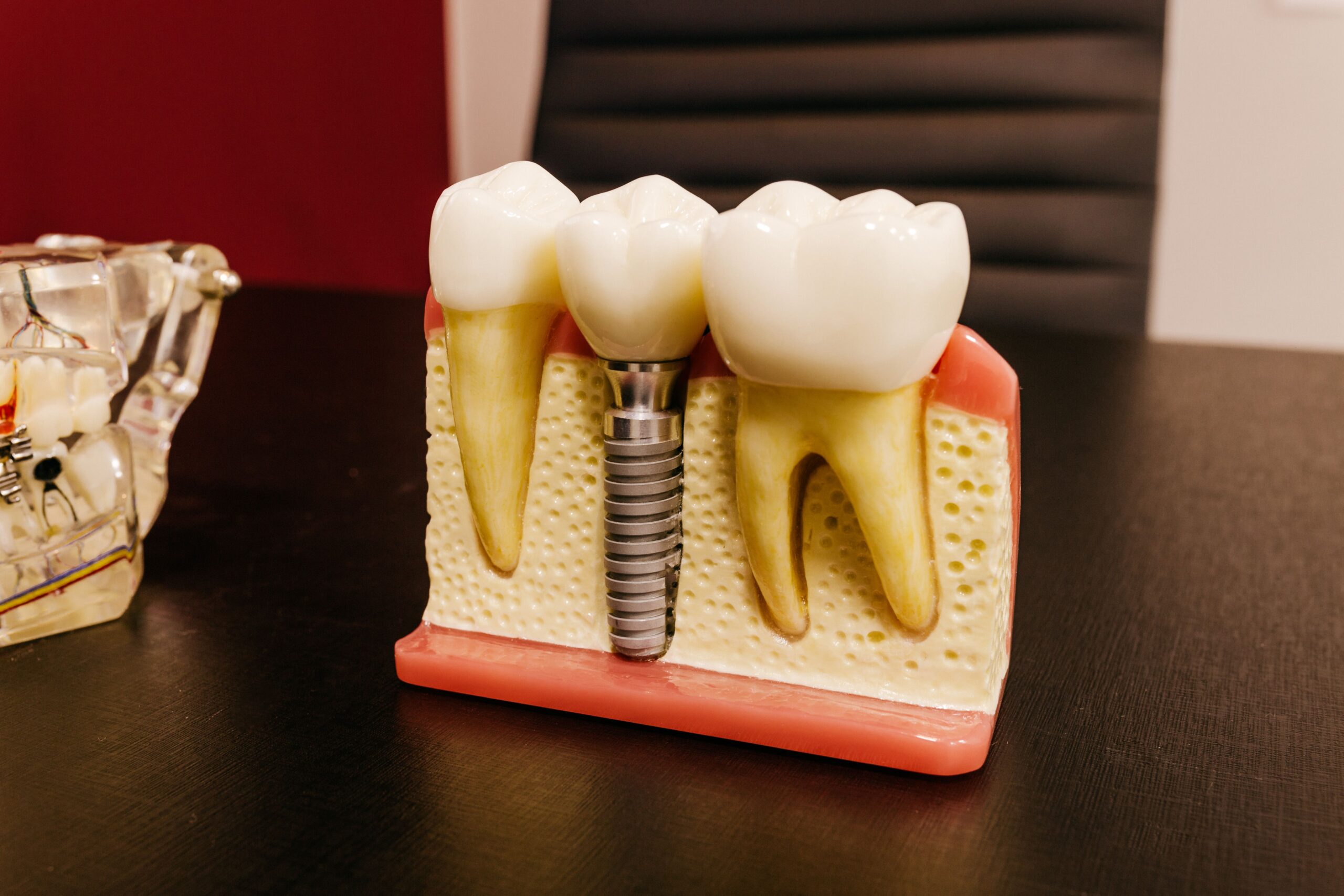
A Dental Implant is a titanium fixture that is placed into the jawbone to replace the root of a missing tooth. After healing, a custom-made dental crown is attached to the implant, creating a replacement tooth that looks, feels, and functions like a natural tooth.
Because the implant integrates with the jawbone, it provides excellent stability and helps maintain bone health.
What Is a Dental Bridge?
A dental bridge replaces one or more missing teeth by attaching an artificial tooth to the neighboring natural teeth or implants. Traditional bridges usually require the adjacent healthy teeth to be reshaped so they can support the bridge.
A bridge is often completed more quickly than implant treatment, making it a suitable option for some patients.
Dental Implant vs Dental Bridge
Appearance
Both treatments can provide a natural-looking smile when properly designed. However, a Dental Implant closely mimics the appearance and function of a natural tooth because it replaces both the root and the visible crown.
Durability
A well-maintained Dental Implant can last for many years. Dental bridges also provide reliable results, but they may require replacement over time depending on oral hygiene and wear.
Bone Health
One major advantage of a Dental Implant is that it helps preserve the jawbone after tooth loss. A bridge replaces only the visible tooth and does not stimulate the underlying bone.
Protection of Healthy Teeth
A Dental Implant usually does not require modification of neighboring healthy teeth. In contrast, a traditional bridge often needs the adjacent teeth to be prepared to support the restoration.
Comfort While Eating
Both treatments improve chewing ability. Because a Dental Implant is firmly anchored in the jawbone, many patients feel it provides greater stability during eating.
Who Is a Good Candidate for a Dental Implant?
You may be a suitable candidate if you:
- Have one or more missing teeth
- Have healthy gums
- Have sufficient jawbone or are suitable for bone grafting
- Maintain good oral hygiene
- Want a long-term replacement option
A complete examination and digital imaging help determine the best treatment for your individual needs.
Why Digital Planning Matters
At Your Dental Care Centre, every Dental Implant treatment begins with careful digital planning. CBCT imaging and advanced diagnostic technology help evaluate bone quality, determine the ideal implant position, and improve treatment accuracy.
Digital planning supports safer procedures, greater precision, and more predictable outcomes.
Which Option Should You Choose?
The best treatment depends on your oral condition and expectations.
A Dental Implant is often recommended for patients who want a long-lasting solution that preserves jawbone health and does not rely on neighboring teeth.
A dental bridge may be appropriate when implant placement is not suitable or when a shorter treatment timeline is preferred.
Your dentist will explain the advantages and limitations of each option so that you can make an informed decision.
Frequently Asked Questions
Is a Dental Implant painful?
The procedure is performed under local anesthesia, and most patients experience only mild discomfort during recovery.
Which treatment lasts longer?
A Dental Implant generally provides excellent long-term durability when maintained with good oral hygiene and regular dental visits.
Which treatment looks more natural?
Both options can look natural, but a Dental Implant replaces the missing tooth from the root to the crown, giving it a very natural appearance.
Can everyone receive a Dental Implant?
Not everyone is an immediate candidate. A detailed examination and digital scans help determine whether implant treatment is suitable.
Conclusion
Replacing missing teeth improves your smile, oral health, and confidence. Whether you choose a bridge or a Dental Implant, the right treatment should be based on a professional examination and your individual needs.
If you would like to explore the best option for your smile, schedule a consultation with Dr. Nikhil Sharma at Your Dental Care Centre, Kota, for a personalized treatment plan.
Dental Implants: Complete Guide to Replacing Missing Teeth
Introduction
Dental Implants are one of the most reliable ways to replace missing teeth. They restore your smile, improve chewing, and support long-term oral health. Unlike removable dentures, implants feel stable and function much like natural teeth. At Your Dental Care Centre, Kota, Dr. Nikhil Sharma, Dental Implantologist, provides digitally planned implant treatment using modern technology for precise, comfortable, and predictable results.
What Are Dental Implants?
Dental Implants are artificial tooth roots made of biocompatible titanium that are placed into the jawbone to replace missing teeth. Once they heal and fuse with the bone, they create a strong foundation for a crown, bridge, or full-mouth restoration. This allows replacement teeth to feel secure, function efficiently, and look natural.
Why Are Dental Implants the Best Tooth Replacement Option?
Replacing a missing tooth is about more than improving appearance. It also helps protect your oral health and bite.
Natural Appearance
Implants are designed to blend with your smile and look like real teeth.
Comfortable Chewing
Because they are firmly supported by the jawbone, they allow you to eat a wide variety of foods comfortably.
Long-Term Solution
With proper care and regular dental visits, implants can remain functional for many years.
Preserves Jawbone
When a tooth is lost, the surrounding bone may gradually shrink. Implants help support the jawbone and reduce this bone loss.
Protects Healthy Teeth
Unlike traditional bridge treatment, implants usually do not require reshaping healthy neighboring teeth.
Clearer Speech
A fixed restoration stays securely in place, making speech feel more natural than with loose dentures.
Better Quality of Life
Many patients feel more confident smiling, eating, and socializing after treatment.
Who Can Benefit from Dental Implants?
You may be a good candidate if you:
- Have one or more missing teeth.
- Want a fixed alternative to removable dentures.
- Have healthy gums.
- Have enough jawbone, or are suitable for bone grafting if needed.
- Are in reasonably good general health.
A detailed examination and digital imaging help determine the most suitable treatment plan.
Types of Dental Implant Treatments We Offer
At Your Dental Care Centre, treatment options may include:
- Single Tooth Implant
- Multiple Tooth Implants
- Implant-Supported Bridge
- Full Mouth Dental Implants
- All-on-4 Full-Arch Rehabilitation
- Immediate Implant Placement in selected cases
- Computer-Guided Implant Surgery
- Flapless Implant Placement when clinically appropriate
How Is the Procedure Performed?
The treatment usually follows these steps:
- Clinical examination and digital planning.
- CBCT scan to assess bone quality.
- Implant placement under local anesthesia.
- Healing period for bone integration.
- Placement of the final crown or prosthesis.
- Regular follow-up and maintenance.
This digital approach improves precision, comfort, and predictability.
Recovery After Implant Placement
Most patients return to daily activities within a short time. Mild swelling or tenderness during the first few days is normal and usually improves with prescribed medication and proper home care. Good oral hygiene and follow-up visits are important for long-term success.
Why Choose Dr. Nikhil Sharma?
Dr. Nikhil Sharma, Dental Implantologist, provides advanced implant treatment with a focus on precision, comfort, and long-term results. Every case is carefully planned to match the patient’s oral health, bone condition, and smile goals.
At Your Dental Care Centre, we combine advanced technology, strict sterilization protocols, and personalized care to help patients achieve healthy, confident smiles.
Frequently Asked Questions
Are Dental Implants painful?
The procedure is performed under local anesthesia, so most patients feel comfortable during treatment. Mild soreness after surgery is common and usually settles within a few days.
How long does treatment take?
The timeline depends on your oral health, bone quality, and the type of restoration required. Your dentist will explain your personalized plan during the consultation.
How long do implants last?
With good oral hygiene and regular dental check-ups, implants can remain functional for many years.
Can smokers receive implants?
Smoking may affect healing and long-term success. Your dentist will discuss your individual risk factors and recommend the best approach.
Conclusion
Missing teeth can affect your smile, chewing ability, and overall oral health. Dental Implants provide a strong, natural-looking, and long-lasting solution that restores both function and appearance. If you are considering replacing missing teeth, schedule a consultation with Dr. Nikhil Sharma at Your Dental Care Centre, Kota, to receive a personalized treatment plan for your smile.
Root Canal Treatment: 7 Warning Signs You Should Never Ignore
Introduction
Root Canal Treatment is one of the most effective ways to save a severely infected or damaged tooth. Many people ignore the early warning signs until the pain becomes unbearable. Early diagnosis and timely care can save your natural tooth, relieve pain, and prevent the infection from spreading. At Your Dental Care Centre, Kota, Dr. Nikhil Sharma, an experienced Endodontist and Root Canal Specialist, provides comfortable, evidence-based care using modern digital technology.
What Is Root Canal Treatment?
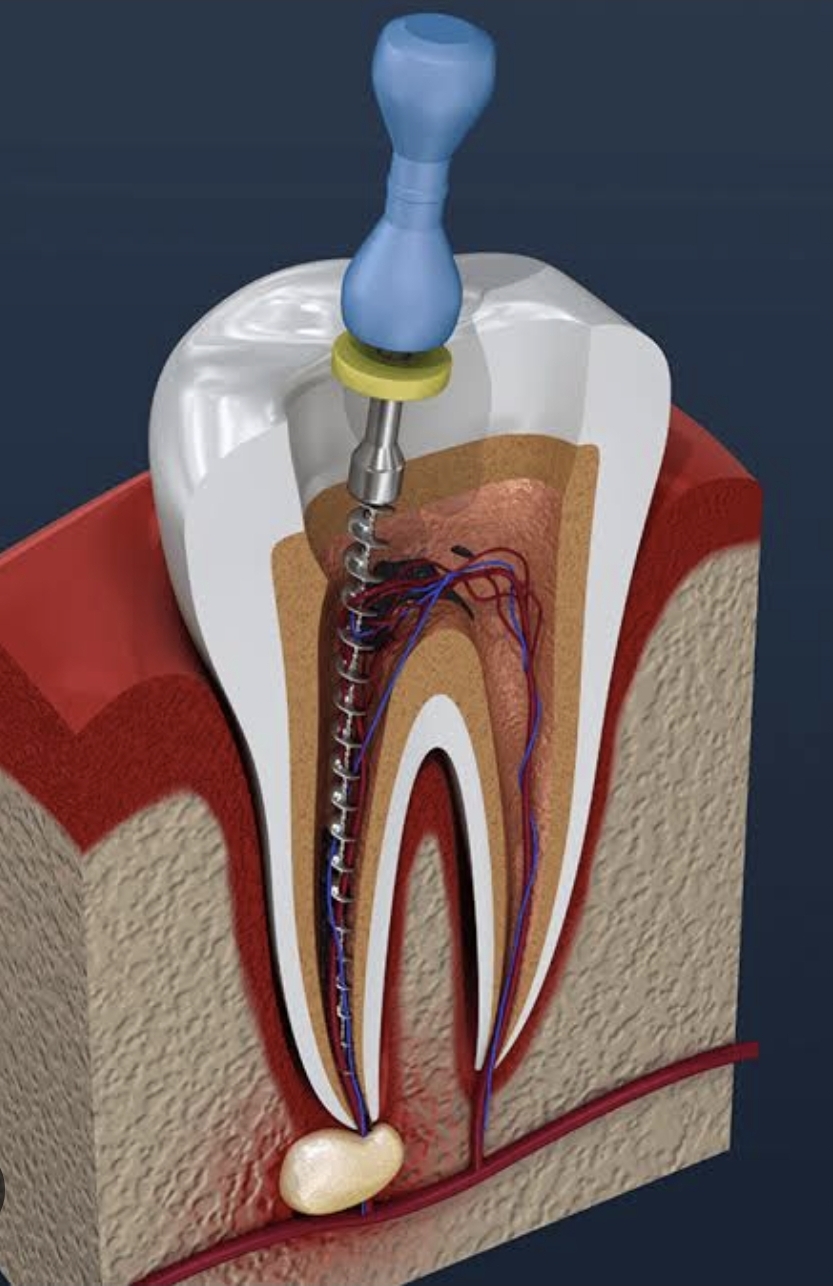
A Root Canal Treatment removes infected or inflamed pulp from inside the tooth. The canals are cleaned, disinfected, and sealed to eliminate bacteria while preserving your natural tooth. This procedure helps restore function, relieve discomfort, and avoid unnecessary extraction.
7 Warning Signs You May Need Treatment
Persistent Tooth Pain
Continuous or recurring tooth pain is one of the most common signs of an infected dental pulp. The pain may worsen while chewing, biting, or even without any obvious trigger. If left untreated, the infection can spread to surrounding tissues.
Lingering Sensitivity to Hot or Cold
If you continue to feel pain after drinking something hot or cold, the nerve inside the tooth may be inflamed. Unlike normal sensitivity, this discomfort lasts even after the temperature returns to normal.
Pain While Chewing or Biting
Pain when chewing often indicates inflammation or infection inside the tooth. Even slight pressure can cause discomfort when the pulp has been affected.
Swollen or Tender Gums
Swelling or tenderness around one tooth may indicate that the infection has spread beyond the root. A small pimple-like swelling on the gum can also be a sign of a dental abscess.
Tooth Discoloration
A tooth that gradually turns grey, brown, or dark may have a damaged or dying pulp. Trauma or long-standing infection is a common cause of this change.
Cracked or Broken Tooth
A crack or fracture allows bacteria to enter the inner part of the tooth, increasing the risk of infection. Early treatment offers the best chance of saving the tooth.
Persistent Dental Abscess
A dental abscess may cause swelling, pus discharge, a bad taste in the mouth, or recurring pain. Prompt dental care is essential to prevent the infection from spreading further.
Why Early Treatment Is Important
Delaying care can allow the infection to worsen and may eventually lead to tooth loss. Early intervention offers several benefits:
- Preserves your natural tooth
- Eliminates infection
- Relieves pain and discomfort
- Prevents tooth extraction
- Restores normal chewing function
- Protects nearby teeth and gums
- Supports long-term oral health
Is the Procedure Painful?
Modern Root Canal Treatment is much more comfortable than many people expect. With effective local anesthesia and advanced equipment, most patients compare the procedure to receiving a routine dental filling. Mild soreness after the procedure usually settles within a few days.
Why Choose Your Dental Care Centre, Kota?
At Your Dental Care Centre, Dr. Nikhil Sharma, an experienced Endodontist and Root Canal Specialist, provides personalized care using advanced diagnostic technology, digital imaging, and modern treatment techniques. Every case is carefully evaluated to preserve your natural tooth whenever possible.
Our Advantages
- Advanced digital diagnosis
- Comfortable treatment techniques
- Single-visit treatment for suitable cases
- Rotary endodontic technology
- Strict sterilization protocols
- Personalized treatment planning
- Comprehensive dental care under one roof
Frequently Asked Questions
How do I know if I need Root Canal Treatment?
Persistent pain, prolonged sensitivity, swelling, discoloration, or a dental abscess are common warning signs. A clinical examination and digital X-ray help confirm the diagnosis.
How many visits are required?
Many simple cases can be completed in a single visit, while complex infections may require two appointments.
Will I need a dental crown?
Many back teeth benefit from a crown after treatment to restore strength and reduce the risk of fracture.
Can I delay treatment?
Delaying care allows the infection to progress and may eventually make extraction necessary.
Conclusion
Ignoring persistent tooth pain, swelling, or prolonged sensitivity can lead to more serious dental problems. Early diagnosis and appropriate care can save your natural tooth and restore your oral health. If you notice any of these warning signs, schedule a consultation with Dr. Nikhil Sharma at Your Dental Care Centre, Kota, for a comprehensive evaluation and personalized treatment plan.
How Do You Know If You Need Dental Implants? 7 Powerful Warning Signs You Should Never Ignore
Focus Keyphrase: Dental Implants
SEO URL Slug:/how-do-you-know-if-you-need-dental-implants
Meta Title:
How Do You Know If You Need Dental Implants? 7 Warning Signs
Meta Description:
Wondering if you need dental implants? Learn the seven warning signs, benefits of implant treatment, and when to visit your dentist for a lasting smile.
Excerpt (Under 40 Words):
Discover the seven warning signs that you may need dental implants. Learn how implant treatment restores missing teeth, improves oral health, and helps you smile with confidence again.
How Do You Know If You Need Dental Implants? 7 Powerful Warning Signs You Should Never Ignore
Missing teeth can affect much more than your appearance. They can make eating difficult, change the way you speak, reduce your confidence, and even lead to bone loss in the jaw. Dental implants are considered one of the most reliable and long-lasting solutions for replacing missing teeth because they look, feel, and function like natural teeth.
But how do you know if dental implants are the right choice for you? Here are seven warning signs you should never ignore.
What Are Dental Implants?
Dental implants are artificial tooth roots made from biocompatible titanium that are placed into the jawbone to support a dental crown, bridge, or full-arch fixed teeth. Unlike removable dentures, implants become firmly integrated with the bone, providing exceptional stability, comfort, and long-term function.
Why Replacing Missing Teeth Matters
Ignoring missing teeth can lead to shifting of nearby teeth, difficulty chewing, jawbone shrinkage, and changes in facial appearance. Replacing missing teeth early helps maintain your bite, supports oral health, and preserves your natural facial structure.
1. You Have One or More Missing Teeth
A missing tooth leaves an empty space that allows neighboring teeth to drift out of position. Over time, this can affect your bite and increase the risk of further dental problems.
Dental implants replace the missing tooth while helping preserve the jawbone and restore normal chewing function.
2. You Find It Difficult to Chew Certain Foods
If you avoid hard, crunchy, or chewy foods because of missing teeth, your quality of life may already be affected.
Implants restore strong biting force, allowing you to enjoy a wider variety of foods with greater comfort and confidence.
3. Your Dentures or Bridge Feel Loose
Loose dentures may slip while talking or eating, causing discomfort and embarrassment. Traditional bridges may also require replacement over time.
Implant-supported teeth offer a stable, secure solution that feels much closer to natural teeth and eliminates many of the common problems associated with removable dentures.
4. Your Face Looks Sunken or Older
When a tooth is lost, the jawbone gradually shrinks because it is no longer stimulated by the tooth root. This bone loss can make the face appear sunken and older.
Dental implants help stimulate the jawbone, supporting facial structure and reducing further bone loss.
5. You Have Loose or Failing Teeth
Teeth that are severely damaged by advanced gum disease, trauma, or extensive decay may not always be saved.
After careful evaluation, your dentist may recommend replacing a hopeless tooth with a dental implant to restore function and long-term oral health.
6. You Experience Bite Problems or Jaw Discomfort
Missing teeth can cause your bite to become unbalanced, placing extra stress on the remaining teeth and jaw joints.
Replacing missing teeth with dental implants helps distribute chewing forces more evenly and improves overall bite stability.
7. You’re Hiding Your Smile
Many people with missing teeth avoid smiling, speaking, or laughing because they feel self-conscious.
A complete smile supported by dental implants can improve confidence, enhance appearance, and positively impact both personal and professional interactions.
What Happens During Dental Implant Treatment?
Modern dental implant treatment is carefully planned using advanced digital imaging to ensure precision and safety.
The implant is gently placed into the jawbone under local anesthesia. Over the next few months, the implant naturally bonds with the bone through a process called osseointegration. Once healing is complete, a custom-made crown, bridge, or fixed prosthesis is attached, creating a smile that looks and functions like natural teeth.
Benefits of Dental Implants
- Restore natural chewing ability
- Replace one, multiple, or all missing teeth
- Help preserve jawbone health
- Support long-term oral function
- Improve speech and comfort
- Do not rely on neighboring teeth for support
- Enhance confidence with a natural-looking smile
Frequently Asked Questions
Are dental implants painful?
Most patients experience minimal discomfort because the procedure is performed under local anesthesia. Mild soreness after treatment is usually temporary and manageable.
How long do dental implants last?
With good oral hygiene and regular dental check-ups, dental implants can last for many years and, in many cases, even decades.
Am I a candidate for dental implants?
Most healthy adults with sufficient jawbone are suitable candidates. Your dentist will perform a detailed examination and imaging to determine the best treatment plan for your individual needs.
Restore Your Smile with Confidence
If you have one or more missing teeth, don’t wait for the problem to affect your oral health and confidence. Early treatment can preserve your jawbone, improve your bite, and restore a natural-looking smile.
Visit our Dental Implant page to learn more about treatment options, explore our About Us page to meet our experienced dental team, Contact Us with your questions, or Book an Appointment today for a personalized consultation. We’re committed to helping you regain a healthy, functional, and confident smile with advanced dental implant care.

What Is the Best Age to Straighten Crooked Teeth?
The best age to straighten crooked teeth is a common question among parents, teenagers, and adults. The good news is that orthodontic treatment can improve your smile at almost any age. However, starting treatment at the right time can make the process easier, faster, and more effective.
Whether your child has crowded teeth or you’re an adult thinking about clear aligners, understanding the right timing can help you make the best decision for lifelong oral health.
Why Does the Age for Teeth Alignment Matter?
Crooked teeth are more than a cosmetic concern. Misaligned teeth can make brushing and flossing difficult, increase the risk of tooth decay and gum disease, affect chewing, and even contribute to jaw discomfort.
Choosing the best age to straighten crooked teeth allows your dentist or orthodontist to guide jaw growth, create enough space for erupting teeth, and reduce the need for complex treatment later.
Best Age to Straighten Crooked Teeth in Children
The best age to straighten crooked teeth in children is often between 7 and 10 years for an initial orthodontic evaluation. At this stage, both baby and permanent teeth are present, making it easier to detect bite problems, crowding, or jaw growth issues.
Early assessment does not always mean immediate braces. In many children, simple interceptive treatments can guide proper jaw development and reduce the severity of future orthodontic problems.
Best Age for Braces During the Teenage Years
For many patients, the teenage years—usually between 11 and 16 years—are considered the ideal time for braces or clear aligners. Most permanent teeth have erupted, while the jaw is still developing, making tooth movement more efficient.
Treating crooked teeth during adolescence often results in predictable outcomes and shorter treatment times.
Is There a Best Age to Straighten Crooked Teeth for Adults?
Absolutely. There is no upper age limit for orthodontic treatment if your teeth and gums are healthy.
Many adults choose clear aligners or modern braces to improve their smile, bite, and confidence. Straightening crooked teeth can also make oral hygiene easier and reduce uneven tooth wear over time.
Signs That You May Need Teeth Alignment
You may benefit from orthodontic treatment if you notice:
- Crooked or overlapping teeth
- Crowded teeth
- Gaps between teeth
- Difficulty chewing or biting
- Upper and lower teeth that do not fit together properly
- Jaw pain or frequent biting of the cheeks
- Speech difficulties caused by tooth alignment
An early consultation helps determine the most appropriate treatment plan.
Treatment Options for Crooked Teeth
Modern dentistry offers several effective solutions based on your age and dental needs.
- Clear Aligners – Nearly invisible, removable, and comfortable.
- Metal Braces – Reliable for mild to complex alignment problems.
- Ceramic Braces – Tooth-colored brackets for a more aesthetic appearance.
- Early Orthodontic Treatment – Growth-guiding appliances for selected children.
Your dentist will recommend the treatment that best suits your smile.
Benefits of Straightening Crooked Teeth
Straightening your teeth provides benefits beyond appearance.
- Easier brushing and flossing
- Better chewing efficiency
- Improved speech in selected cases
- Lower risk of tooth decay and gum disease
- Reduced uneven tooth wear
- Improved self-confidence and smile aesthetics
Frequently Asked Questions
What is the best age to straighten crooked teeth?
The best age to straighten crooked teeth varies from person to person. Children should have their first orthodontic evaluation around age seven, while treatment is commonly started during the teenage years. Adults can also achieve excellent results with modern orthodontic options.
Can adults straighten crooked teeth?
Yes. Healthy teeth and gums can be successfully treated at almost any age using braces or clear aligners.
Do all children with crooked teeth need braces?
No. Some children only require monitoring, while others benefit from early interceptive treatment to guide jaw growth and tooth eruption.
Take the First Step Toward a Healthier Smile
If you or your child has crooked teeth, don’t wait for the problem to become more complicated. An early orthodontic evaluation can identify the best treatment options and help achieve a healthy, confident smile.
Ready to begin your smile transformation? Visit our About Us page to learn more about our team, Contact Us to ask a question, or Book an Appointment today for a personalized consultation. We are committed to helping children, teens, and adults achieve beautiful, healthy smiles with advanced orthodontic care.