
Introduction
Wisdom Tooth Pain can suddenly make eating, chewing, or even opening your mouth uncomfortable. You may first notice a sharp pain at the back of your mouth, followed by swelling or tenderness around the gums. Understanding the cause early can help prevent the problem from becoming more severe.
What Is Wisdom Tooth Pain?
Wisdom Tooth Pain is discomfort that develops around the last molars, commonly known as wisdom teeth. These teeth usually appear between the ages of 17 and 25 years and are the final permanent teeth to erupt.
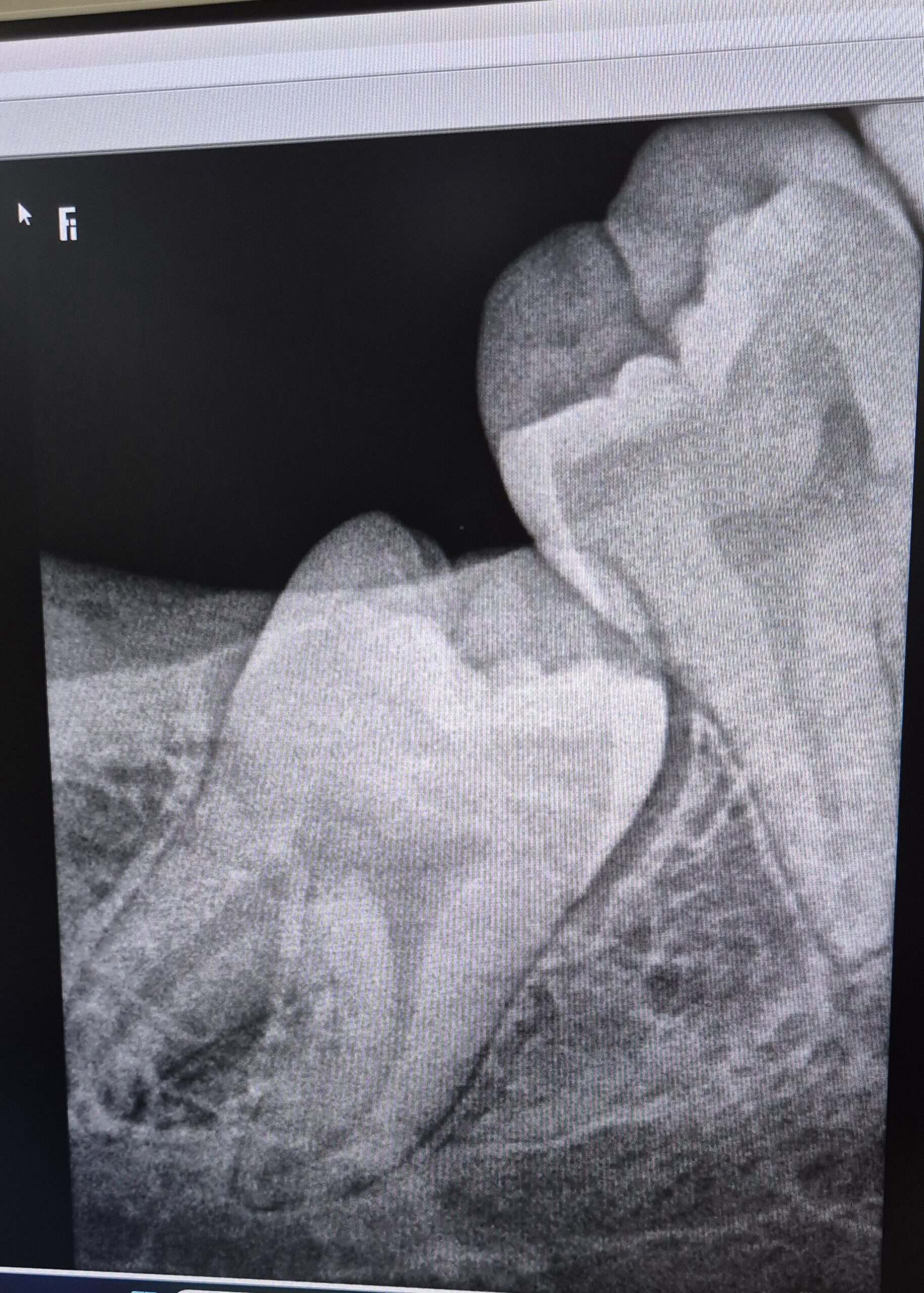
Unlike other teeth, wisdom teeth often do not have enough space to grow properly. As a result, they may remain partially erupted, become impacted beneath the gums, or grow at an angle. These situations can lead to irritation, inflammation, and pain that ranges from mild discomfort to severe swelling.
Early evaluation helps determine whether the tooth is healthy or requires treatment.
What Causes Wisdom Tooth Pain?
Several conditions can lead to Wisdom Tooth Pain, and the exact cause differs from one person to another.
One common reason is a lack of space in the jaw. When there is insufficient room, the wisdom tooth may push against the neighbouring tooth instead of erupting normally.
Another common cause is partial eruption. When only part of the tooth emerges, a small flap of gum may cover the remaining portion. Food particles and bacteria can collect beneath this flap, increasing the risk of infection.
In some cases, decay or gum disease around the wisdom tooth may also contribute to pain. Therefore, a proper dental examination is essential before deciding on treatment.
What Are the Symptoms of Wisdom Tooth Pain?
The symptoms of Wisdom Tooth Pain often develop gradually. Initially, you may notice only slight discomfort while chewing. However, as inflammation increases, the symptoms may become more obvious.
Common symptoms include pain at the back of the mouth, swollen gums, difficulty chewing, jaw stiffness, unpleasant taste, bad breath, and tenderness around the wisdom tooth.
If facial swelling, fever, or difficulty swallowing develops, you should seek immediate dental care because these symptoms may indicate a spreading infection.
How Has Digital Dentistry Improved Wisdom Tooth Diagnosis?
Diagnosing Wisdom Tooth Pain has become much more accurate with modern digital technology.
In the past, dentists mainly relied on clinical examination and conventional X-rays. Today, digital imaging provides much clearer information about the position of the wisdom tooth and the surrounding structures.
At Your Dental Care Centre, Kota, Dr. Nikhil Sharma and Dr. Balshree Sharma perform a detailed clinical examination and use appropriate dental imaging to evaluate the position of the wisdom tooth and the surrounding structures. When required, advanced imaging may provide additional information to support accurate diagnosis and personalised treatment planning.
Does Every Wisdom Tooth Need Removal?
Many people believe that every wisdom tooth must be removed. Fortunately, this is not true.
A wisdom tooth that erupts normally, remains healthy, and can be cleaned effectively may not require extraction. However, if the tooth repeatedly causes pain, infection, damage to neighbouring teeth, or cyst formation, your dentist may recommend removal.
The decision always depends on your symptoms, clinical examination, and radiographic findings rather than age alone.
How Is Wisdom Tooth Pain Treated?
Treatment depends on the underlying cause of the pain.
If inflammation is mild, your dentist may recommend cleaning the area, improving oral hygiene, and monitoring the tooth. Medication may also be prescribed when necessary.
However, if the wisdom tooth continues to cause repeated infections or affects neighbouring teeth, extraction may be the most suitable long-term solution.
Early treatment usually prevents more complex problems from developing later.
Expert Opinion
According to Dr. Nikhil Sharma, early evaluation is one of the most effective ways to manage Wisdom Tooth Pain. Identifying the exact cause before severe swelling or infection develops often allows treatment to be planned more comfortably and predictably.
Dr. Balshree Sharma also encourages parents to schedule regular dental examinations for teenagers and young adults, as wisdom teeth often begin developing during these years. Routine monitoring helps detect potential problems before symptoms become severe.
Frequently Asked Questions
Is Wisdom Tooth Pain always caused by infection?
No. Pain may occur because of pressure, partial eruption, gum inflammation, tooth decay, or infection. A dental examination is needed to determine the exact cause.
Can Wisdom Tooth Pain disappear without treatment?
Sometimes the discomfort reduces temporarily. However, recurring pain usually indicates an underlying problem that should be evaluated by a dentist.
Is wisdom tooth removal painful?
Modern local anaesthesia helps keep the procedure comfortable. Most patients experience mild discomfort during recovery, which gradually improves over the following days.
How do I know if my wisdom tooth should be removed?
Your dentist will assess the position of the tooth, your symptoms, and diagnostic images before recommending the most appropriate treatment.
Conclusion
Wisdom Tooth Pain should never be ignored if it persists or keeps returning. Early diagnosis allows dentists to identify the cause, recommend appropriate treatment, and reduce the risk of future complications.
At Your Dental Care Centre, Kota, Dr. Nikhil Sharma and Dr. Balshree Sharma provide personalized dental care supported by modern digital technology and evidence-based treatment planning. Every patient receives an individual assessment so the most suitable treatment can be selected based on their specific oral health needs.
Wisdom tooth pain can quickly turn from mild discomfort into severe swelling and sleepless nights. Learn why it happens, when it becomes an emergency, and how timely treatment can relieve pain and protect your smile.
Whether your wisdom tooth is impacted, infected, or growing in the wrong direction, early diagnosis and modern treatment can prevent complications and restore your comfort with safe, precise care.
✓ Understand the most common causes of wisdom tooth pain.
✓ Recognize the warning signs that require immediate dental care.
✓ Discover safe and comfortable wisdom tooth removal options.
✓ Protect nearby teeth and prevent future dental complications.