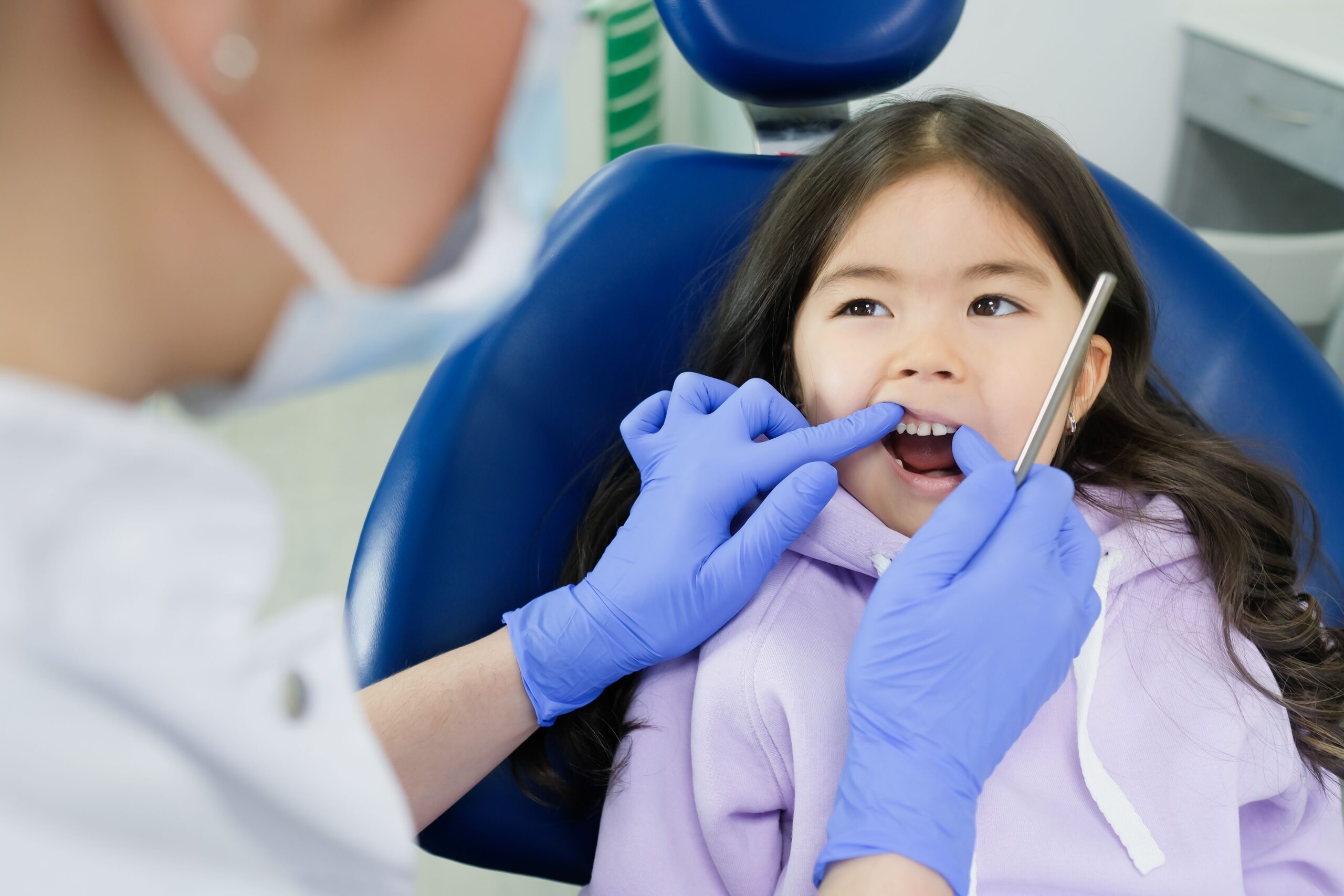
Pediatric Dentistry: Why Age 7 Is the Most Important Year for Your Child’s Smile
Is Your Child Turning 7? This Could Be the Perfect Time to Protect Their Future Smile.
Many parents believe orthodontic treatment should begin only after all permanent teeth have erupted during the teenage years. However, by the age of 7, important changes are already taking place inside your child’s mouth. This is why Pediatric Dentistry and orthodontic experts recommend an orthodontic evaluation around this age—even if the teeth appear perfectly normal.
At seven years of age, permanent front teeth and first permanent molars have usually erupted, allowing the dentist to evaluate how the jaws are growing, how the upper and lower teeth fit together, and whether there are early signs of bite problems. Detecting these issues at the right time can help prevent more complicated treatments later and support healthier jaw development.
An early orthodontic assessment does not mean every child needs braces. Instead, it helps identify children who may benefit from timely guidance while allowing others to continue growing normally under regular observation.
Why Is Age 7 So Important?
Around the age of seven, your child’s smile enters an important stage of development. Baby teeth and permanent teeth are present together, giving the pediatric dentist valuable information about future tooth alignment and jaw growth.
This stage allows early identification of conditions such as:
- Crowded teeth
- Crossbite
- Underbite
- Deep bite
- Open bite
- Jaw growth differences
- Missing or extra teeth
- Thumb-sucking effects
- Mouth breathing related bite changes
- Space loss after early tooth loss
Finding these problems early often makes treatment simpler, less invasive, and more effective.
What Happens During an Age-7 Smile Assessment?
A pediatric dentist carefully evaluates:
- Tooth eruption pattern
- Jaw growth and facial development
- Bite relationship
- Spacing for permanent teeth
- Oral habits affecting tooth development
- Airway and mouth-breathing habits
- Overall oral health
If everything is developing normally, parents receive reassurance and periodic monitoring. If concerns are identified, the dentist can recommend the most appropriate time for treatment.
Not Every 7-Year-Old Needs Braces
One of the biggest misconceptions is that every child examined at age seven will require braces immediately.
In reality, many children simply benefit from observation. Others may need early interventions such as space maintainers, habit-breaking appliances, or growth-guidance treatment to reduce the severity of future orthodontic problems.
Early diagnosis allows treatment to begin only when it is truly beneficial.
7 Warning Signs Parents Should Never Ignore
Not every child will need early orthodontic treatment, but some warning signs should never be ignored. If your child is around 7 years old and shows any of the following signs, an early evaluation through Pediatric Dentistry can help detect problems before they become more complicated.
1. Crooked or Crowded Teeth
If permanent teeth are erupting in unusual positions or there isn’t enough space, early guidance may help create room for proper alignment and reduce the need for complex treatment later.
2. Early or Late Loss of Baby Teeth
Baby teeth act as natural space holders for permanent teeth. Losing them too early—or much later than expected—can affect how permanent teeth erupt and may lead to crowding or bite problems.
3. Difficulty Chewing or Biting
Children who avoid certain foods, bite their cheeks frequently, or struggle while chewing may have an underlying bite problem that should be evaluated.
4. Mouth Breathing
Persistent mouth breathing can influence jaw growth, facial development, and the position of the teeth. Identifying the cause early helps protect your child’s oral and overall health.
5. Thumb Sucking or Tongue Thrusting
If these habits continue beyond the preschool years, they may contribute to an open bite, protruding front teeth, or changes in jaw development. Early habit correction is often easier and more effective.
6. Teeth That Don’t Meet Properly
Crossbite, underbite, deep bite, or open bite may become more difficult to correct if left untreated. Early evaluation helps determine the best time for treatment.
7. Jaws That Look Uneven
If one jaw appears too small, too large, or shifts when your child bites, early growth assessment can help identify developing jaw discrepancies before growth is complete.
How Early Treatment Can Prevent Bigger Problems
One of the greatest advantages of Pediatric Dentistry is prevention. Early diagnosis does not always mean immediate treatment, but it gives your dentist the opportunity to monitor growth and intervene only when necessary.
Depending on your child’s needs, early treatment may include:
- Growth-guidance appliances
- Space maintainers after early loss of baby teeth
- Habit-breaking appliances
- Expansion of a narrow upper jaw when appropriate
- Monitoring erupting permanent teeth
- Early orthodontic planning
- Clear aligners for selected growing patients when clinically appropriate
Addressing these concerns at the right stage can reduce the severity of future orthodontic problems, improve jaw development, and sometimes shorten or simplify later treatment.
Why Parents Shouldn’t Wait Until All Permanent Teeth Erupt
Many parents believe orthodontic treatment should begin only during the teenage years. However, waiting until all permanent teeth have erupted may allow certain bite problems to worsen.
An examination around the age of seven gives the pediatric dentist valuable information about jaw growth, tooth eruption, and facial development. Even if no treatment is needed immediately, regular monitoring ensures that any future concerns are identified at the ideal time.
Remember, an early orthodontic evaluation does not mean early braces—it means early awareness.
Expert Opinion
Dr. Balshree Sharma, MDS
Pediatric Dentist | Certified Digital Orthodontist
“One of the most rewarding parts of Pediatric Dentistry is identifying developing problems before they become complicated. Around the age of seven, we can evaluate jaw growth, tooth eruption, and bite development while your child is still growing. Many parents are relieved to learn that an early evaluation does not automatically mean braces. In many cases, we simply monitor growth, guide healthy development, or provide simple preventive treatments that may reduce the need for more complex orthodontic procedures later. Early assessment gives children the best opportunity to develop a healthy, functional, and confident smile.”
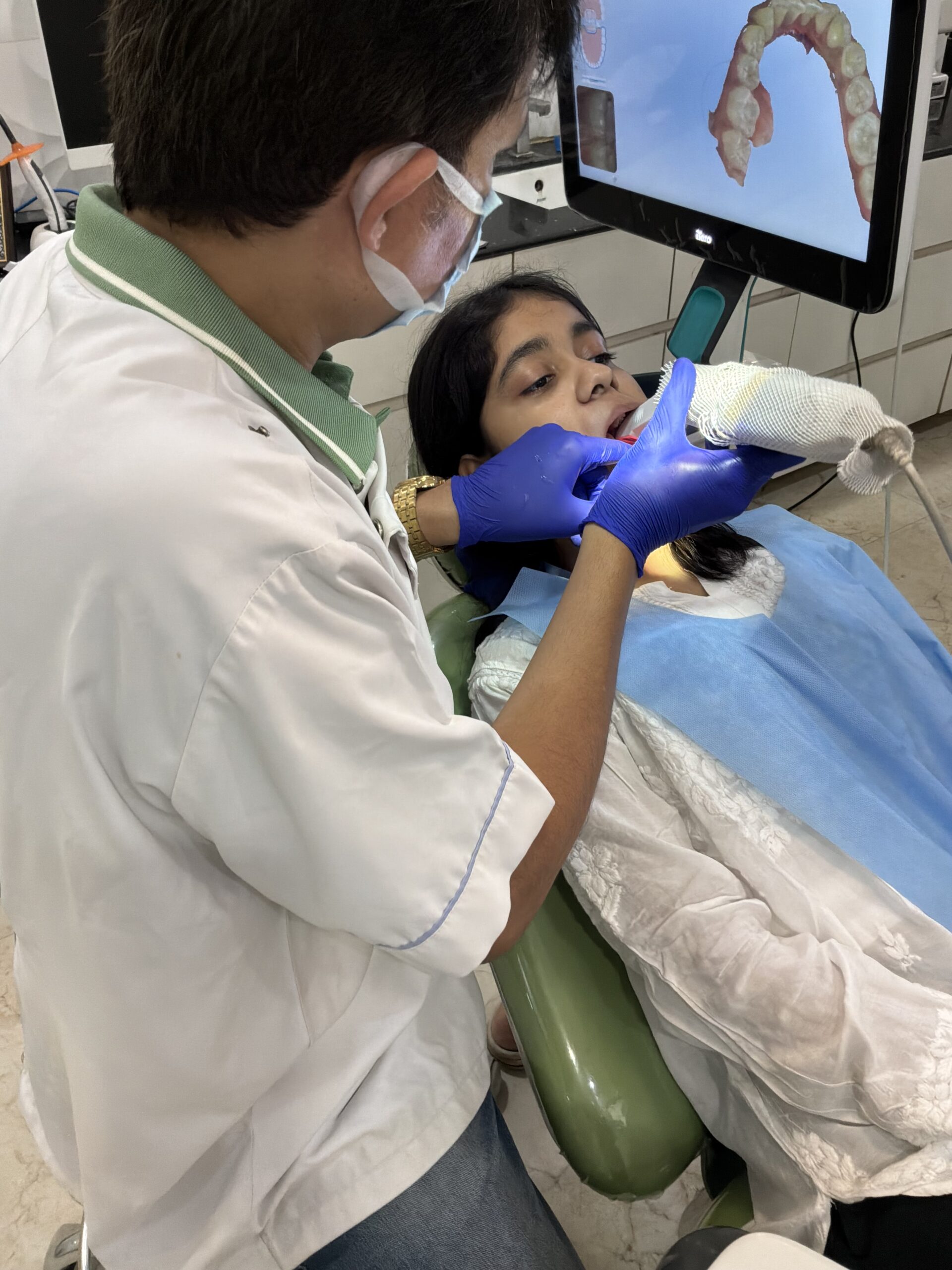
Digital Orthodontics: What If You Could See Your Future Smile Before Treatment?
Imagine Seeing Your Dream Smile Before You Even Begin
Have you ever wondered what your smile would look like after orthodontic treatment? Thanks to Digital Orthodontics, you no longer have to imagine. Modern digital technology allows your dentist to create a precise 3D model of your teeth, simulate tooth movement, and show you a preview of your future smile before treatment even starts.
Whether you are considering clear aligners, Invisalign, or braces, Digital Orthodontics makes treatment planning more accurate, comfortable, and predictable. Instead of relying on traditional impressions and estimates, dentists use advanced digital scanning and smile simulation to design a personalized treatment plan that fits your unique smile and bite.
The result is a better understanding of your treatment, improved confidence, and a more comfortable orthodontic experience from the very first appointment.
What Is Digital Orthodontics?
Digital Orthodontics is the modern way of planning and delivering orthodontic treatment using advanced digital technology. It can replaces conventional impressions with highly accurate 3D intraoral scanning and computer-guided treatment planning.
A digital scan captures detailed images of your teeth within minutes, creating a virtual model that allows your dentist to evaluate tooth alignment, bite, jaw relationship, and facial aesthetics with exceptional precision.
This technology is widely used for:
- Clear Aligners
- Invisalign
- Ceramic Braces
- Early Orthodontic Treatment
- Smile Design
- Complex Bite Correction
How Does Digital Orthodontics Work?
Digital Orthodontics follows a simple yet highly advanced digital workflow.
Step 1 – Comfortable 3D Digital Scan
Instead of messy impression materials, a digital intraoral scanner creates an accurate 3D image of your teeth within minutes.
Step 2 – Digital Smile Analysis
Your dentist carefully evaluates your teeth, bite, facial profile, and smile to develop a customized treatment plan.
Step 3 – Smile Simulation
One of the biggest advantages of Digital Orthodontics is the ability to preview your expected smile before treatment begins.
Step 4 – Personalized Treatment Planning
Every tooth movement is digitally planned to improve accuracy while maintaining healthy tooth movement throughout treatment.
Step 5 – Treatment Monitoring
Digital records help monitor treatment progress and assess whether your smile is developing according to the treatment plan.
Benefits of Digital Orthodontics
Modern technology has transformed orthodontic care by providing several advantages.
- Comfortable digital scanning without messy impressions
- Highly accurate treatment planning
- Preview your future smile before treatment
- Better fitting clear aligners
- Predictable tooth movement
- Reduced treatment refinements
- Improved patient comfort
- Better communication between dentist and patient
- Faster digital records
- Personalized smile correction
Digital Orthodontics and Clear Aligners
Clear aligners have become one of the most popular orthodontic treatment options because they are comfortable, removable, and nearly invisible.
Digital Orthodontics plays a crucial role in designing clear aligner treatment. Using advanced digital software, every aligner is planned according to precise tooth movements, helping improve fit, efficiency, and overall treatment accuracy.
This digital workflow also allows patients to visualize their smile before starting treatment, increasing confidence and motivation throughout the journey.
Digital Planning vs Traditional Orthodontic Methods
Traditional orthodontic treatment relied heavily on physical impressions and manual planning.
Digital Orthodontics offers significant improvements:
| Traditional | Digital Orthodontics |
|---|---|
| Messy impressions | Comfortable 3D scanning |
| Manual planning | Computer-guided planning |
| Difficult to visualize results | Smile simulation before treatment |
| Less precise records | Highly accurate digital records |
| Conventional workflow | Fully digital workflow |
Who Can Benefit from Digital Orthodontics Treatment?
Digital Orthodontics is suitable for patients of almost every age.
It may help treat:
- Crooked teeth
- Crowded teeth
- Gaps between teeth
- Overbite
- Underbite
- Crossbite
- Open bite
- Relapse after previous braces
- Children needing early orthodontic assessment
- Teenagers and adults seeking aesthetic smile correction
Expert Opinion
Dr. Nikhil Sharma and Dr. Balshree Sharma
Digital Orthodontics & Smile Design
“Digital Orthodontics has changed the way we diagnose, plan, and deliver orthodontic treatment. One of the most exciting benefits is that patients can visualize their future smile before treatment begins. This improves understanding, builds confidence, and allows for more personalized treatment planning.
However, technology alone does not determine successful treatment outcomes. Every successful orthodontic treatment depends on an accurate diagnosis, careful planning, and the clinical expertise of an experienced orthodontic provider. Digital technology enhances precision, but it is the dentist’s knowledge and experience that transform a digital plan into a healthy, functional, and naturally beautiful smile.”
Frequently Asked Questions
Can I really see my future smile before treatment?
Yes. Digital smile simulation allows many patients to preview how their smile is expected to look before treatment begins.
Is Digital Orthodontics better than traditional impressions?
Digital scanning is generally more comfortable, more accurate, and much faster than traditional impression techniques.
Is Digital Orthodontics only used for Invisalign?
No. It is used for clear aligners, Invisalign, braces, early orthodontic treatment, and many other orthodontic procedures.
Is it suitable for children?
Yes. Digital Orthodontics can be used for children, teenagers, and adults based on individual treatment needs.
Conclusion
Digital Orthodontics is transforming the future of orthodontic care by combining advanced technology with personalized treatment planning. From comfortable 3D scanning and smile simulation to clear aligners and precise tooth movement, this modern approach helps patients enjoy a more predictable and confident treatment experience.
If you are thinking about straightening your teeth, Digital Orthodontics allows you to see your future smile before treatment begins—making every step of your smile journey more informed, comfortable, and exciting.
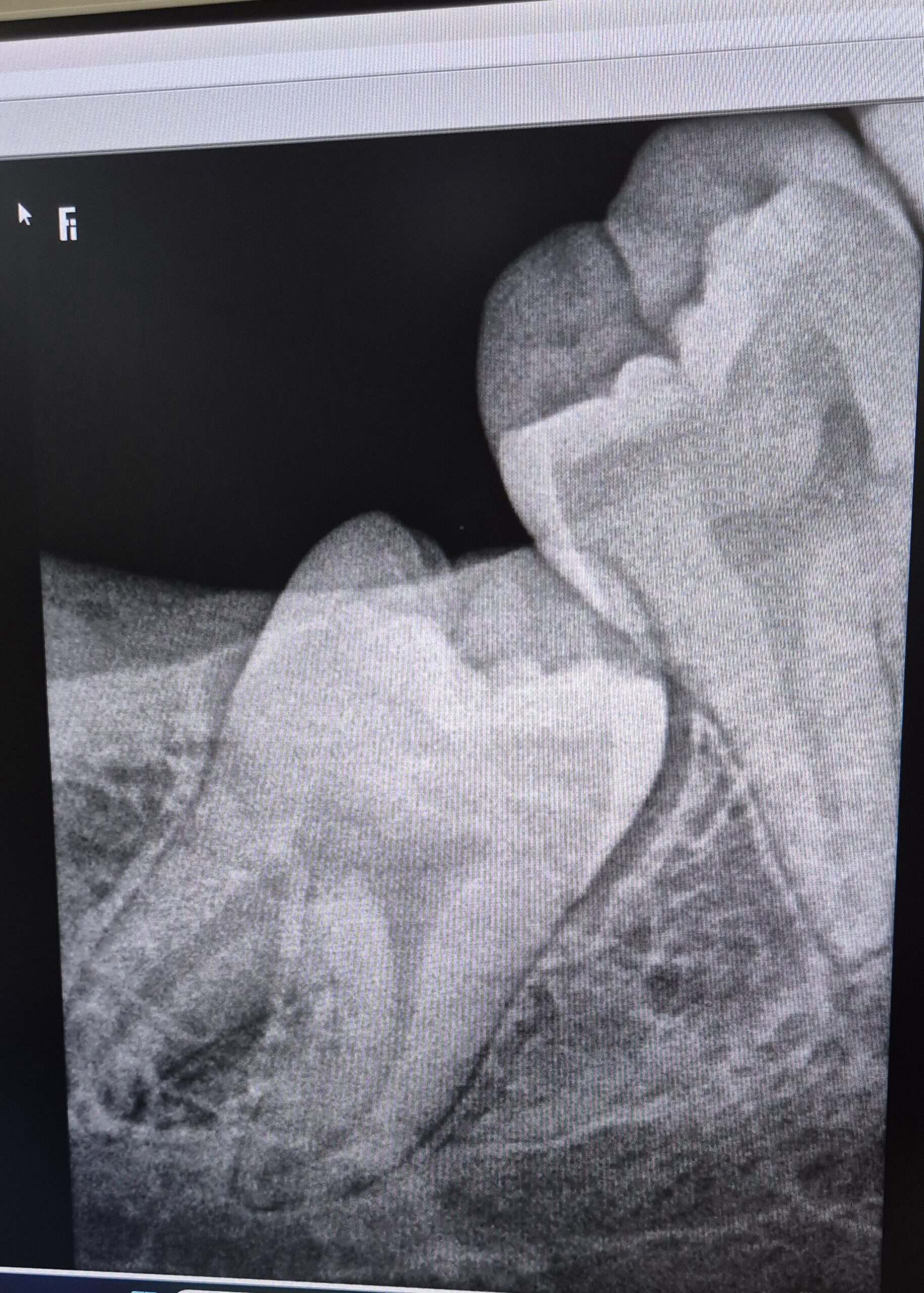
Wisdom Tooth Pain: Causes and Symptoms
Introduction
Wisdom Tooth Pain can suddenly make eating, chewing, or even opening your mouth uncomfortable. You may first notice a sharp pain at the back of your mouth, followed by swelling or tenderness around the gums. Understanding the cause early can help prevent the problem from becoming more severe.
What Is Wisdom Tooth Pain?
Wisdom Tooth Pain is discomfort that develops around the last molars, commonly known as wisdom teeth. These teeth usually appear between the ages of 17 and 25 years and are the final permanent teeth to erupt.
Unlike other teeth, wisdom teeth often do not have enough space to grow properly. As a result, they may remain partially erupted, become impacted beneath the gums, or grow at an angle. These situations can lead to irritation, inflammation, and pain that ranges from mild discomfort to severe swelling.
Early evaluation helps determine whether the tooth is healthy or requires treatment.
What Causes Wisdom Tooth Pain?
Several conditions can lead to Wisdom Tooth Pain, and the exact cause differs from one person to another.
One common reason is a lack of space in the jaw. When there is insufficient room, the wisdom tooth may push against the neighbouring tooth instead of erupting normally.
Another common cause is partial eruption. When only part of the tooth emerges, a small flap of gum may cover the remaining portion. Food particles and bacteria can collect beneath this flap, increasing the risk of infection.
In some cases, decay or gum disease around the wisdom tooth may also contribute to pain. Therefore, a proper dental examination is essential before deciding on treatment.
What Are the Symptoms of Wisdom Tooth Pain?
The symptoms of Wisdom Tooth Pain often develop gradually. Initially, you may notice only slight discomfort while chewing. However, as inflammation increases, the symptoms may become more obvious.
Common symptoms include pain at the back of the mouth, swollen gums, difficulty chewing, jaw stiffness, unpleasant taste, bad breath, and tenderness around the wisdom tooth.
If facial swelling, fever, or difficulty swallowing develops, you should seek immediate dental care because these symptoms may indicate a spreading infection.
How Has Digital Dentistry Improved Wisdom Tooth Diagnosis?
Diagnosing Wisdom Tooth Pain has become much more accurate with modern digital technology.
In the past, dentists mainly relied on clinical examination and conventional X-rays. Today, digital imaging provides much clearer information about the position of the wisdom tooth and the surrounding structures.
At Your Dental Care Centre, Kota, Dr. Nikhil Sharma and Dr. Balshree Sharma perform a detailed clinical examination and use appropriate dental imaging to evaluate the position of the wisdom tooth and the surrounding structures. When required, advanced imaging may provide additional information to support accurate diagnosis and personalised treatment planning.
Does Every Wisdom Tooth Need Removal?
Many people believe that every wisdom tooth must be removed. Fortunately, this is not true.
A wisdom tooth that erupts normally, remains healthy, and can be cleaned effectively may not require extraction. However, if the tooth repeatedly causes pain, infection, damage to neighbouring teeth, or cyst formation, your dentist may recommend removal.
The decision always depends on your symptoms, clinical examination, and radiographic findings rather than age alone.
How Is Wisdom Tooth Pain Treated?
Treatment depends on the underlying cause of the pain.
If inflammation is mild, your dentist may recommend cleaning the area, improving oral hygiene, and monitoring the tooth. Medication may also be prescribed when necessary.
However, if the wisdom tooth continues to cause repeated infections or affects neighbouring teeth, extraction may be the most suitable long-term solution.
Early treatment usually prevents more complex problems from developing later.
Expert Opinion
According to Dr. Nikhil Sharma, early evaluation is one of the most effective ways to manage Wisdom Tooth Pain. Identifying the exact cause before severe swelling or infection develops often allows treatment to be planned more comfortably and predictably.
Dr. Balshree Sharma also encourages parents to schedule regular dental examinations for teenagers and young adults, as wisdom teeth often begin developing during these years. Routine monitoring helps detect potential problems before symptoms become severe.
Frequently Asked Questions
Is Wisdom Tooth Pain always caused by infection?
No. Pain may occur because of pressure, partial eruption, gum inflammation, tooth decay, or infection. A dental examination is needed to determine the exact cause.
Can Wisdom Tooth Pain disappear without treatment?
Sometimes the discomfort reduces temporarily. However, recurring pain usually indicates an underlying problem that should be evaluated by a dentist.
Is wisdom tooth removal painful?
Modern local anaesthesia helps keep the procedure comfortable. Most patients experience mild discomfort during recovery, which gradually improves over the following days.
How do I know if my wisdom tooth should be removed?
Your dentist will assess the position of the tooth, your symptoms, and diagnostic images before recommending the most appropriate treatment.
Conclusion
Wisdom Tooth Pain should never be ignored if it persists or keeps returning. Early diagnosis allows dentists to identify the cause, recommend appropriate treatment, and reduce the risk of future complications.
At Your Dental Care Centre, Kota, Dr. Nikhil Sharma and Dr. Balshree Sharma provide personalized dental care supported by modern digital technology and evidence-based treatment planning. Every patient receives an individual assessment so the most suitable treatment can be selected based on their specific oral health needs.
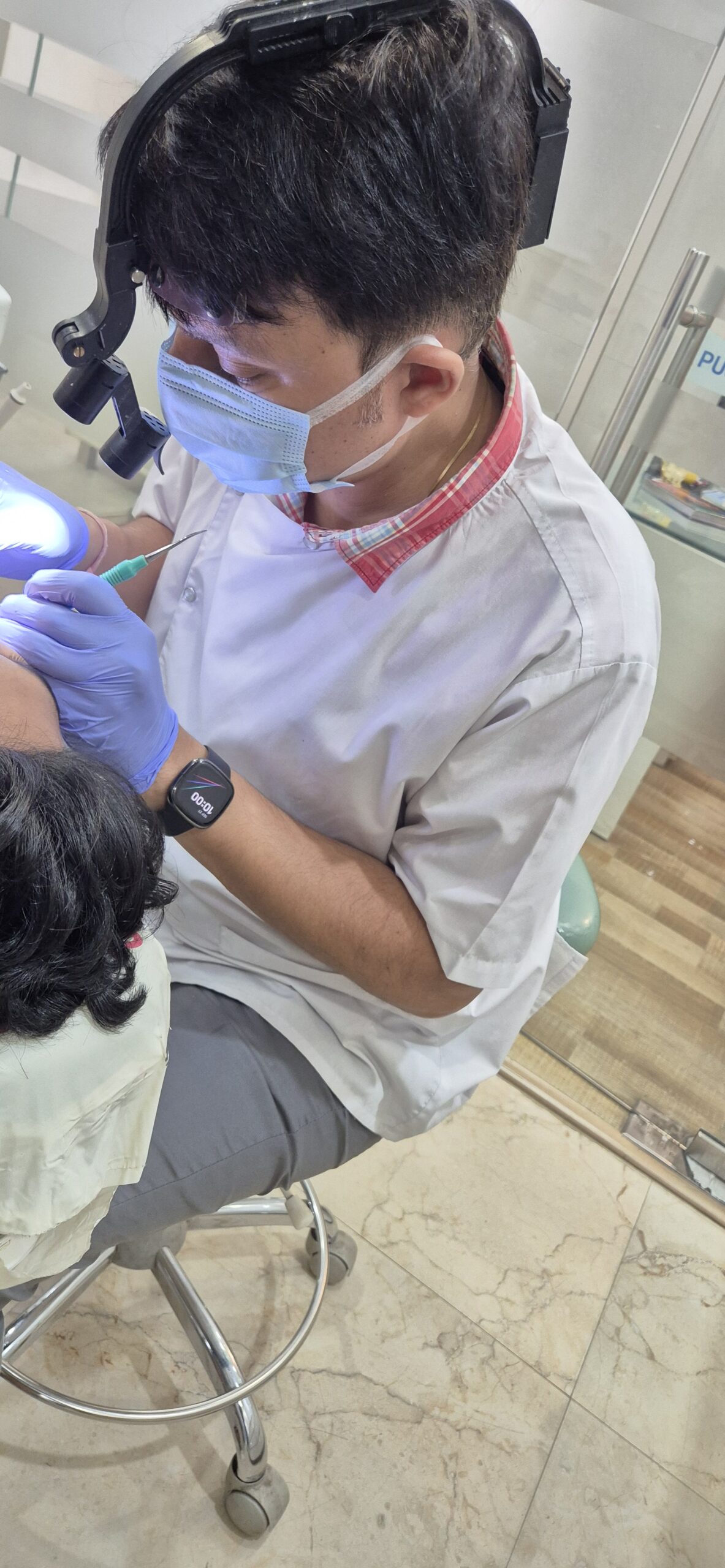
Re-Root Canal Treatment: Why Is Your Root Canal Tooth Hurting Again?
Your Root Canal Was Done… So Why Is the Pain Back?
A root canal treatment is one of the most successful procedures for saving a damaged or infected tooth. In most cases, it provides long-lasting relief from pain and infection. However, like any dental treatment, there are situations where a tooth may not heal as expected or a new infection can develop months or even years later. When this happens, Re-Root Canal Treatment may be the best option to save your natural tooth.
If you are experiencing pain, swelling, sensitivity while biting, or a recurring pimple on the gums near a tooth that has already undergone a root canal, do not ignore these warning signs. Early diagnosis can often prevent the infection from spreading and improve the chances of saving the tooth.
The good news is that Re-Root Canal Treatment is designed to remove the remaining or new infection, disinfect the root canal system again, and give your tooth a second chance. With modern magnification, digital imaging, and advanced endodontic techniques, many teeth that were once considered hopeless can now be successfully treated and preserved.
What Is Re-Root Canal Treatment?
Re-Root Canal Treatment, also known as root canal retreatment, is a procedure performed on a tooth that has previously received root canal treatment but has developed persistent symptoms or a new infection.
During the procedure, the existing root canal filling is carefully removed. The dentist then re-examines the complex root canal system, cleans and disinfects the canals thoroughly, identifies any missed anatomy if present, and seals the canals again to prevent reinfection.
The goal of Re-Root Canal Treatment is simple: eliminate infection, relieve pain, and preserve your natural tooth whenever possible.
Why Does a Root Canal Sometimes Fail?
Although root canal treatment has a high success rate, several factors can lead to failure over time.
Some common causes include:
- Hidden or missed root canals that were not treated during the initial procedure.
- New tooth decay allowing bacteria to enter the tooth.
- A cracked or fractured tooth.
- A damaged, loose, or leaking dental crown.
- Delayed placement of the permanent crown after root canal treatment.
- Complex root canal anatomy that is difficult to clean completely.
- New bacterial infection developing months or years after treatment.
A failed root canal does not automatically mean the tooth must be removed. In many cases, Re-Root Canal Treatmentoffers an excellent opportunity to save the natural tooth.
How Do You Know If You Need Re-Root Canal Treatment?
The signs may appear gradually or suddenly. Contact your dentist if you notice:
- Pain while chewing or biting.
- Swelling of the gums near the treated tooth.
- A small pimple or recurring boil on the gums.
- Persistent sensitivity or discomfort.
- Bad taste or discharge around the tooth.
- A loose crown or filling.
- Darkening of the treated tooth.
- Infection visible on a dental X-ray even without pain.
Some patients experience no symptoms at all. This is why regular dental examinations and X-rays remain important after root canal treatment.
How Is Re-Root Canal Treatment Performed?
Modern Re-Root Canal Treatment is a highly precise procedure performed using advanced techniques and technology. The primary goal is to eliminate the source of infection while preserving your natural tooth.
The procedure usually involves the following steps:
Step 1 – Detailed Examination
Your dentist performs a thorough clinical examination and takes digital X-rays or a CBCT scan, when required, to identify the cause of the failed root canal treatment.
Step 2 – Removing the Previous Root Canal Filling
The old root canal filling material is carefully removed to gain access to the complete root canal system.
Step 3 – Finding the Cause of Failure
Using magnification and modern instruments, the dentist carefully looks for:
- Missed canals
- Persistent infection
- Hidden cracks
- Blocked canals
- Broken instruments
- Leakage under old fillings or crowns
Identifying the exact cause is essential for long-term success.
Step 4 – Cleaning and Disinfecting the Canals
The root canals are thoroughly cleaned, reshaped, and disinfected using advanced irrigation techniques to remove bacteria and infected tissue.
Step 5 – Sealing the Root Canal Again
After ensuring the canals are clean and infection-free, they are sealed with a biocompatible material to prevent future bacterial contamination.
Step 6 – Protecting the Tooth
In most cases, a well-fitting dental crown is recommended to strengthen the tooth and protect it from fracture.
Is Re-Root Canal Treatment Painful?
One of the most common concerns patients have is whether retreatment will be painful.
With modern local anesthesia, advanced rotary instruments, and improved techniques, Re-Root Canal Treatment is generally as comfortable as a routine root canal procedure. Most patients experience relief because the source of infection is being removed.
Some mild tenderness for a few days is normal and usually settles with prescribed medication.
Re-Root Canal Treatment or Tooth Extraction?
When a previously treated tooth becomes infected again, many people assume extraction is the only solution. However, saving your natural tooth is usually the preferred option whenever it is clinically possible.
Benefits of Re-Root Canal Treatment
- Preserves your natural tooth
- Maintains normal chewing function
- Prevents neighboring teeth from shifting
- Preserves the natural bite
- Often avoids more complex replacement procedures
- Can provide many years of function with proper care
Extraction may be recommended only when the tooth cannot be restored because of severe fracture, extensive bone loss, or other conditions that make saving the tooth impossible.
How Can You Prevent Root Canal Failure?
Although not every failure can be prevented, good oral care significantly improves long-term success.
- Complete the permanent crown as advised by your dentist.
- Maintain excellent oral hygiene.
- Avoid biting hard objects with treated teeth.
- Attend regular dental check-ups.
- Seek treatment immediately if pain or swelling develops.
- Treat new cavities before they reach the root canal.
Regular follow-up visits help detect small problems before they become major infections.
Frequently Asked Questions About Re-Root Canal Treatment
Can a root canal fail after many years?
Yes. A tooth that has had a root canal can develop a new infection months or even years later because of new decay, a leaking crown or filling, an untreated canal, or a crack in the tooth. Regular dental check-ups help detect these problems early.
Is Re-Root Canal Treatment successful?
Yes. Re-Root Canal Treatment has a high success rate when the tooth is carefully evaluated, properly cleaned, disinfected, and restored. The outcome depends on the condition of the tooth, the cause of failure, and timely treatment.
Will I need a crown after Re-Root Canal Treatment?
Depending on the tooth and the amount of remaining tooth structure, a well-fitting dental crown or other appropriate restoration may be recommended to protect the tooth from fracture.
Is extraction better than Re-Root Canal Treatment?
Not always. Whenever possible, saving your natural tooth is usually the best option. Re-Root Canal Treatment allows many teeth to function successfully for years, avoiding the need for extraction and replacement.
How long does Re-Root Canal Treatment take?
The number of appointments depends on the complexity of the tooth, the severity of the infection, and whether additional procedures are required. Your dentist will recommend the most appropriate treatment plan after examination.
Why Saving Your Natural Tooth Matters
Your natural tooth is designed to function in perfect harmony with your bite. Preserving it whenever possible helps maintain chewing efficiency, supports surrounding teeth, and protects the jawbone.
Modern Re-Root Canal Treatment offers many patients a second opportunity to save their natural tooth instead of choosing extraction. With proper treatment and a well-sealed dental crown, many retreated teeth continue to function successfully for years.
Conclusion
Experiencing pain after a previous root canal can be worrying, but it does not always mean that the tooth needs to be removed. In many cases, Re-Root Canal Treatment can eliminate persistent infection, relieve discomfort, and give the natural tooth another opportunity to remain healthy and functional.
Persistent pain, swelling, tenderness while biting, or a recurring gum boil around a previously treated tooth should not be ignored. Early examination can help identify the underlying cause and improve the chances of successfully saving the tooth before the problem becomes more complicated.
With modern endodontic techniques, advanced imaging, careful disinfection, and precise treatment planning, Re-Root Canal Treatment can provide a reliable solution for many failed root canal cases. Whenever possible, preserving the natural tooth remains the preferred approach for maintaining comfortable chewing, a healthy bite, and long-term oral function.
Expert Advice
Dr. Nikhil Sharma
Microscopic Endodontist | Root Canal Specialist | Implantologist
“Every tooth deserves a second chance before considering extraction. My approach to Re-Root Canal Treatment is to identify the exact reason for failure, eliminate the infection completely, and restore the tooth with precision. Modern endodontics allows us to save many teeth that were once considered hopeless. Early intervention is the key to achieving the best long-term outcome.”
Laser Dentistry: Is It the Future of Pain-Free Dental Treatment?
Imagine Dental Treatment with Less Pain, Less Bleeding, and Faster Healing
For many people, fear of pain keeps them away from the dentist. Fortunately, modern Laser Dentistry is changing that experience. By using advanced dental lasers instead of traditional instruments for selected procedures, dentists can perform many treatments with greater precision, improved comfort, and faster recovery.
From treating gum disease and disinfecting root canals to managing mouth ulcers, tongue-tie, and certain TMJ conditions, Laser Dentistry has become an important part of modern dental care. It allows many procedures to be completed with minimal bleeding, reduced swelling, and excellent precision while preserving healthy tissue.
Whether you are an adult looking for comfortable treatment or a parent seeking gentle care for your child, Laser Dentistry offers a modern approach that combines advanced technology with predictable clinical results.
What Is Laser Dentistry?
Laser Dentistry uses concentrated light energy to perform selected dental procedures with remarkable precision. Instead of relying only on traditional blades or instruments, dental lasers can cut, disinfect, reshape, or stimulate tissues while minimizing trauma to the surrounding area.
Depending on the procedure, laser technology may be used on both soft tissues (such as gums and oral mucosa) and, in specific situations, as an adjunct in hard tissue and endodontic procedures.
Laser Dentistry is commonly used for:
- Gum disease treatment
- Laser-assisted root canal disinfection
- Frenectomy (tongue-tie and lip-tie release)
- Treatment of aphthous (mouth) ulcers
- TMJ pain management (selected cases)
- Gum contouring and smile enhancement
- Management of soft tissue lesions
- Pediatric dental procedures
- Teeth whitening
Why Is Laser Dentistry Becoming So Popular?
Patients increasingly choose Laser Dentistry because it focuses on comfort, precision, and faster recovery.
Some of the biggest advantages include:
- Less discomfort during many procedures
- Minimal bleeding because lasers help seal small blood vessels
- Reduced swelling after treatment
- Greater precision with minimal damage to healthy tissue
- Lower risk of bacterial contamination in selected procedures
- Faster healing in many soft tissue treatments
- Reduced need for stitches in suitable cases
- Improved patient comfort for both children and adults
Although not every dental procedure can be performed using a laser alone, it is an excellent addition to modern dentistry and significantly improves many treatments.
How Does Laser Dentistry Improve Root Canal Treatment?
One of the most valuable uses of Laser Dentistry is laser-assisted root canal disinfection.
Traditional root canal treatment removes infected tissue and disinfects the canals using specialized instruments and irrigating solutions. In selected cases, laser technology can be used as an additional step to improve disinfection by helping reduce bacteria in areas that are difficult to reach with instruments alone.
This enhanced cleaning may support successful healing and long-term outcomes when used appropriately as part of comprehensive endodontic treatment.
How Does Laser Dentistry Help in Gum Treatment?
Healthy gums are the foundation of a healthy smile. Laser Dentistry is widely used to treat gum infections and reshape unhealthy gum tissue with greater precision than many conventional techniques.
Laser-assisted gum procedures can help:
- Treat gingivitis and periodontal (gum) disease
- Reduce bacteria around the gums
- Remove infected soft tissue with precision
- Minimize bleeding during treatment
- Promote faster healing
- Improve gum contour for a more aesthetic smile
Many patients experience less post-operative discomfort and a quicker return to normal activities after appropriate laser-assisted soft tissue procedures.
Laser Frenectomy: A Gentle Solution for Tongue-Tie and Lip-Tie
A tongue-tie or lip-tie can affect breastfeeding, speech, swallowing, oral hygiene, and even jaw development in children. Laser Dentistry offers a quick and precise way to perform a frenectomy with minimal discomfort.
Benefits of Laser Frenectomy
- Minimal bleeding
- Greater comfort during the procedure
- Reduced swelling
- Faster healing
- Usually no stitches required
- Suitable for infants, children, and adults when clinically indicated
- Helps improve tongue mobility and oral function
Laser frenectomy is often completed in just a few minutes, allowing patients to return to normal activities quickly.
Can Laser Dentistry Help Treat Mouth Ulcers?
Painful aphthous ulcers (canker sores) can make eating, drinking, and speaking uncomfortable. While lasers do not prevent ulcers from recurring, Laser Dentistry may provide rapid pain relief and support faster healing in selected cases.
Laser treatment may help:
- Reduce ulcer pain soon after the procedure
- Promote healing
- Improve comfort while eating and speaking
- Reduce irritation around the ulcer
Patients with frequent mouth ulcers should also be evaluated to identify underlying causes such as nutritional deficiencies, stress, trauma, or systemic conditions.
Can Laser Therapy Help with TMJ Disorders?
Temporomandibular Joint (TMJ) disorders can cause jaw pain, muscle tenderness, headaches, clicking sounds, and difficulty opening the mouth.
In selected patients, laser therapy may be used as part of a comprehensive TMJ treatment plan to:
- Reduce muscle tenderness
- Improve local blood circulation
- Decrease inflammation
- Relieve jaw stiffness
- Support muscle relaxation
Laser therapy is not a standalone cure for every TMJ problem. Your dentist will first determine the underlying cause and recommend a personalized treatment plan, which may also include bite correction, physiotherapy, medications, splints, or other therapies.
Laser Dentistry for Children
Children often feel anxious about dental treatment. Laser Dentistry can make many soft tissue procedures more comfortable and less intimidating.
Laser-assisted pediatric procedures may include:
- Frenectomy
- Soft tissue lesion management
- Selected gum procedures
- Ulcer management
Combined with child-friendly behavior management, laser technology can improve the overall treatment experience for many young patients.
Expert Opinion
Dr. Nikhil Sharma, MDS
Microscopic Endodontist | Implantologist | Laser Dentist
“Laser Dentistry has transformed the way we deliver many dental treatments. It allows us to perform selected procedures with greater precision, improved comfort, and faster healing while preserving healthy tissues. When combined with modern digital dentistry and clinical expertise, laser technology helps us provide safer, more predictable, and minimally invasive care.”
Dr. Balshree Sharma, MDS
Pediatric Dentist | Certified Digital Orthodontist | Laser Dentist
“For children, creating a positive dental experience is just as important as treating the problem. Laser Dentistry allows us to perform many soft tissue procedures gently, helping reduce anxiety and making treatment more comfortable for young patients while supporting quicker recovery.”
Is Laser Dentistry Safe?
Yes. Laser dentistry is considered very safe when performed by a trained dentist using approved dental laser technology. Modern dental lasers allow exceptional precision while protecting healthy surrounding tissues.
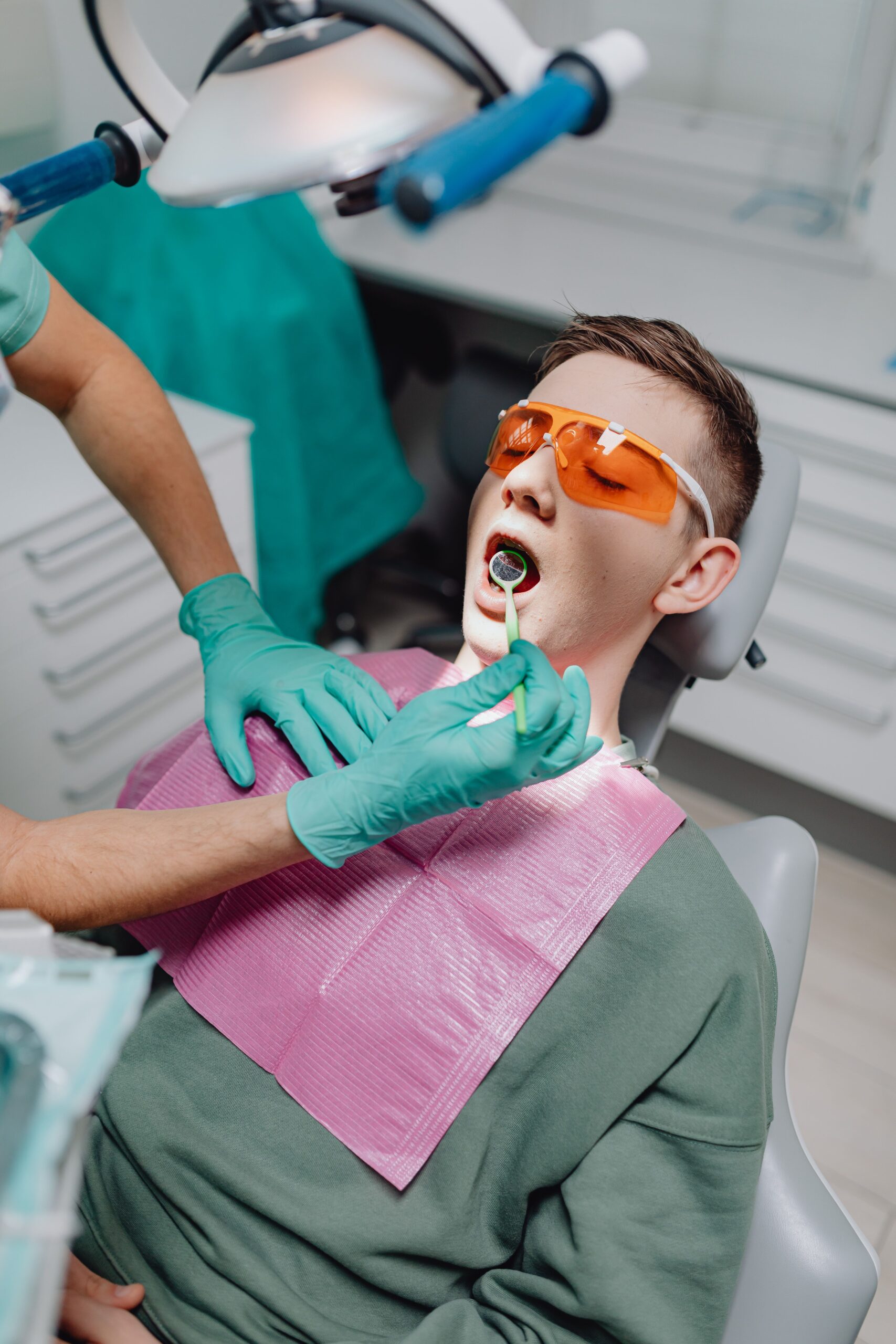
Depending on the procedure, you and your dentist may wear protective eyewear, and the laser settings are carefully selected for each treatment. The result is a comfortable, controlled, and minimally invasive experience.
Who Can Benefit from Laser Dentistry?
Laser dentistry is suitable for many patients, including:
- Children who are anxious about dental treatment
- Adults looking for minimally invasive procedures
- Patients with bleeding gums or gum disease
- People requiring root canal disinfection
- Patients with mouth ulcers or soft tissue lesions
- Individuals needing a frenectomy for tongue-tie or lip-tie
- Patients suffering from TMJ-related muscle pain
- Anyone seeking faster healing and greater comfort after treatment
Your dentist will evaluate your condition and recommend whether laser treatment is the most suitable option.
Why Choose Your Dental Care Centre for Laser Dentistry in Kota?
At Your Dental Care Centre, we combine advanced laser technology with digital dentistry to provide precise, comfortale, and predictable treatment outcomes.
Our laser-assisted procedures are performed by experienced dentists using evidence-based techniques to ensure maximum comfort, reduced treatment time, and faster healing. Whether you need gum treatment, laser-assisted root canal therapy, pediatric laser dentistry, frenectomy, or management of mouth ulcers and TMJ discomfort, we provide personalized care using modern technology.
Our goal is simple—make every dental visit more comfortable while preserving healthy tissues and helping you recover faster.
Frequently Asked Questions
Does laser dentistry hurt?
Most laser procedures are significantly more comfortable than conventional methods. Many patients report little or no discomfort, and some treatments require minimal or no local anesthesia.
Is laser dentistry suitable for children?
Yes. Laser dentistry is an excellent option for many pediatric dental procedures because it is gentle, precise, and less intimidating for children.
Can lasers replace all dental treatments?
No. While lasers are highly effective for many soft tissue and selected hard tissue procedures, some treatments still require conventional dental instruments. Your dentist will recommend the best approach based on your condition.
Final Thoughts
Laser dentistry is transforming modern dental care by making many procedures faster, more comfortable, and more precise. Although it does not replace every traditional technique, it has become an invaluable tool for treating gum disease, disinfecting root canals, performing frenectomies, managing mouth ulcers, and enhancing patient comfort.
If you’re looking for advanced laser dentistry in Kota, schedule a consultation with Your Dental Care Centre and discover how modern laser technology can make your dental treatment safer, gentler, and more comfortable.

Pediatric Dentistry: Is Your Child’s First Dental Visit More Important Than You Think?
Every Healthy Smile Begins with the First Dental Visit
As a parent, you celebrate every milestone—your child’s first smile, first tooth, and first steps. But there’s another milestone that is just as important for lifelong oral health: the first dental visit. Many parents believe a dental visit is only necessary when a child has pain or visible cavities. In reality, Pediatric Dentistry focuses on preventing dental problems before they begin and helping children develop healthy habits that last a lifetime.
The American Academy of Pediatric Dentistry recommends that a child visit a pediatric dentist by their first birthday or within six months after the first tooth appears. Early dental visits allow parents to receive professional guidance on brushing, nutrition, fluoride, thumb-sucking habits, and cavity prevention while helping children become comfortable in a dental environment.
A positive first experience can reduce dental anxiety, build trust, and encourage regular dental check-ups throughout childhood. Most importantly, early Pediatric Dentistry helps detect problems at an early stage, when treatment is often simpler, more comfortable, and less invasive.
What Is Pediatric Dentistry?
Pediatric Dentistry is a specialized branch of dentistry dedicated to the oral health of infants, children, teenagers, and children with special healthcare needs. Pediatric dentists receive additional training in child psychology, growth and development, preventive care, behavior guidance, and age-specific dental treatments.
Children are not simply “small adults.” Their teeth, jaws, and oral habits change rapidly as they grow. Pediatric Dentistry focuses on preventing disease, supporting healthy development, and providing treatments designed specifically for young patients in a safe, friendly, and comfortable environment.
Why Is the First Dental Visit So Important?
Many dental problems begin silently. Tooth decay is one of the most common chronic childhood diseases, but it is largely preventable with early care.
During your child’s first dental visit, a pediatric dentist can:
- Examine the teeth and gums for healthy development.
- Identify early signs of tooth decay.
- Monitor jaw growth and tooth eruption.
- Assess oral habits such as thumb sucking or prolonged pacifier use.
- Provide guidance on brushing and flossing techniques.
- Recommend fluoride protection when appropriate.
- Discuss healthy eating habits that support strong teeth.
- Create a preventive care plan tailored to your child.
Early diagnosis often means simpler treatment, fewer dental emergencies, and a healthier smile as your child grows.
When Should Your Child Have Their First Dental Visit?
Parents often ask, “My child only has one or two teeth. Is it too early?”
The answer is no.
The ideal time for the first dental visit is:
- By your child’s first birthday, or
- Within six months of the first tooth erupting.
This early visit is usually short, gentle, and focused on education, prevention, and helping your child become familiar with the dental clinic in a positive way.
What Happens During Your Child’s First Dental Visit?
The first dental visit is usually simple, gentle, and enjoyable. Its main purpose is to help your child feel safe while allowing the pediatric dentist to evaluate their oral health and development.
During the appointment, your pediatric dentist may:
- Examine your child’s teeth, gums, tongue, and jaw development.
- Check for early signs of tooth decay or enamel defects.
- Assess the eruption of baby teeth and monitor jaw growth.
- Evaluate oral habits such as thumb sucking, mouth breathing, or prolonged pacifier use.
- Discuss feeding practices, bottle use, and healthy nutrition.
- Demonstrate the correct brushing and flossing techniques for your child’s age.
- Recommend fluoride treatment or pit and fissure sealants when appropriate.
- Create a personalized preventive dental care plan.
For many children, the first visit is simply about building trust. A calm and positive experience helps reduce fear and makes future dental visits much easier.
How Can Parents Prepare Their Child for the First Dental Visit?
Parents play an important role in creating a positive dental experience. Preparing your child before the appointment can help reduce anxiety and build confidence.
Here are a few helpful tips:
- Talk positively about visiting the dentist.
- Avoid using words such as “pain,” “needle,” or “injection.”
- Read a children’s book or watch a short video about visiting the dentist.
- Schedule the appointment when your child is well-rested and comfortable.
- Bring your child’s favorite toy or comfort item if needed.
- Stay calm and relaxed, as children often reflect their parents’ emotions.
A positive first experience can encourage lifelong confidence in dental care.
Common Mistakes Parents Should Avoid
Many dental problems can be prevented by avoiding a few common mistakes.
- Waiting until the child has pain before visiting the dentist.
- Putting a child to bed with a bottle containing milk or juice.
- Allowing frequent sugary snacks or drinks throughout the day.
- Ignoring cavities in baby teeth because they will “fall out anyway.”
- Delaying treatment for dental injuries.
- Missing regular dental check-ups.
Healthy baby teeth are essential for proper chewing, speech development, nutrition, jaw growth, and guiding permanent teeth into their correct positions.
How Pediatric Dentistry Helps Your Child Grow with a Healthy Smile
Modern Pediatric Dentistry focuses on prevention, early diagnosis, and gentle treatment. Depending on your child’s needs, your pediatric dentist may recommend:
- Preventive dental examinations
- Professional fluoride applications
- Pit and fissure sealants
- Tooth-colored fillings
- Pediatric crowns
- Pulp therapy (baby root canal treatment)
- Space maintainers
- Habit-breaking appliances
- Laser pediatric dental procedures
- Nitrous oxide (laughing gas) sedation for anxious children
- Early orthodontic assessment
- Emergency dental care for children
- Dental care for children with special healthcare needs
Every treatment is carefully tailored to your child’s age, dental development, and comfort.
Expert Opinion
Dr. Balshree Sharma, MDS
Pediatric Dentist | Specialist in Children’s Dental Care
“One of the greatest gifts parents can give their child is a positive first dental experience. In my practice, I focus on making every child feel safe, respected, and comfortable from the moment they enter the clinic. Early dental visits are not just about checking teeth—they are about preventing problems, guiding healthy oral development, and building lifelong confidence in dental care.
Every child is unique. Some children need only preventive guidance, while others may benefit from early orthodontic evaluation, habit correction, or specialized treatment. Our goal is always to provide gentle, compassionate, and evidence-based care that supports both oral health and emotional well-being.”
Frequently Asked Questions About Pediatric Dentistry
Is it necessary to visit a pediatric dentist if my child has only baby teeth?
Yes. Baby teeth play an essential role in chewing, speech development, proper nutrition, and guiding permanent teeth into their correct positions. Early Pediatric Dentistry helps detect dental problems before they become painful or more difficult to treat.
How often should my child visit a pediatric dentist?
Most children should have a dental check-up every six months. However, children with a higher risk of cavities or specific dental conditions may need more frequent visits based on your pediatric dentist’s recommendation.
What if my child is afraid of the dentist?
Dental anxiety is common, especially during the first few visits. Pediatric dentists are specially trained in child behavior guidance and use gentle, child-friendly techniques to create a positive experience. When necessary, options such as nitrous oxide (laughing gas) sedation may be recommended for anxious children.
Are cavities in baby teeth really a concern?
Absolutely. Untreated cavities can cause pain, infection, difficulty eating, problems with speech, and may even affect the healthy development of permanent teeth. Early diagnosis and timely treatment help protect your child’s long-term oral health.
How can I help prevent cavities at home?
Parents can support healthy smiles by:
- Brushing twice daily with a fluoride toothpaste recommended for the child’s age.
- Limiting sugary snacks and drinks.
- Encouraging a balanced diet.
- Avoiding bedtime bottles containing milk or juice.
- Scheduling regular dental check-ups and preventive care.
Why Parents Trust Pediatric Dentistry
Choosing Pediatric Dentistry means choosing specialized care designed for growing smiles. Every child deserves an environment where they feel safe, understood, and encouraged to develop healthy oral habits.
Early dental visits help prevent cavities, monitor growth and development, guide healthy oral habits, and build lifelong confidence in dental care. A positive experience during childhood often leads to better oral health throughout adulthood.
Conclusion
Your child’s first dental visit is much more than a routine check-up—it is the beginning of a lifetime of healthy smiles. Pediatric Dentistry focuses on prevention, education, early diagnosis, and gentle care tailored to every stage of childhood.
By visiting a pediatric dentist early, parents can identify potential problems before they become serious, receive personalized guidance for home care, and help their children develop positive attitudes toward dental treatment.
A healthy smile begins with prevention, and the best time to start is today.
Expert Advice
Dr. Balshree Sharma, MDS – Pediatric Dentist
“Every child deserves a healthy smile and a positive dental experience. Early dental visits allow us to prevent problems rather than simply treat them. Our goal is to make every child feel comfortable, build trust with families, and support healthy oral development from infancy through adolescence. When children enjoy visiting the dentist, they are more likely to maintain excellent oral health throughout their lives.”